
Dec 23, 2025
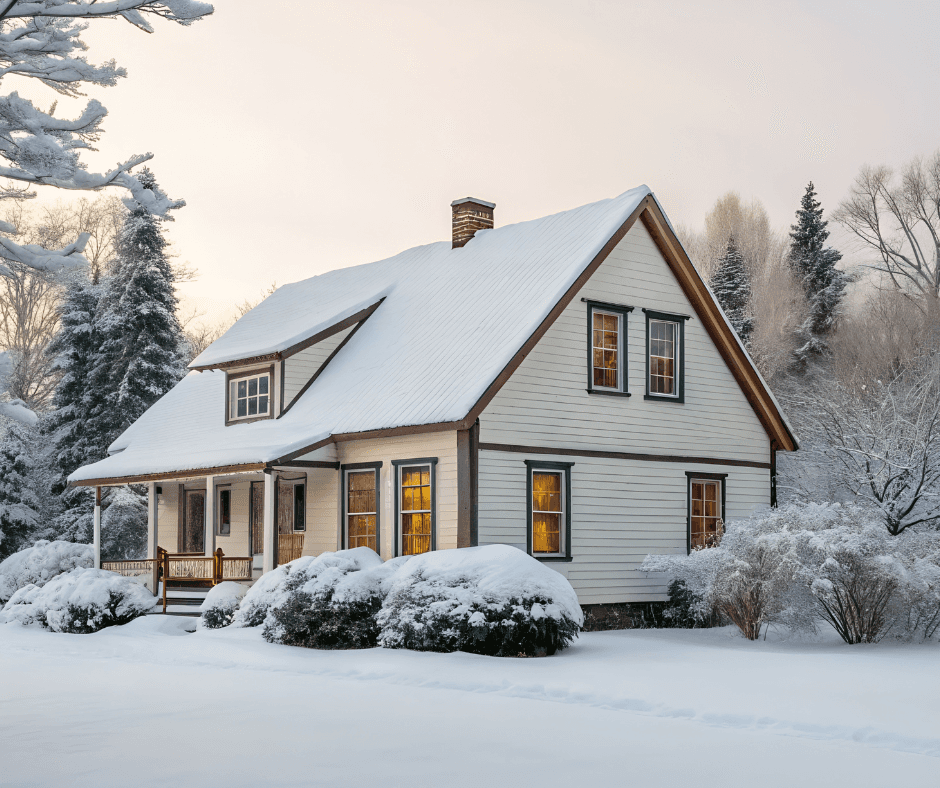
As temperatures drop and winter weather moves in, your home’s electrical system is about to work harder than at any other time of year. Shorter days mean more lighting usage. Cold nights increase the demand on heating systems, space heaters, and electric fireplaces. Snow and ice can strain outdoor electrical components, while winter storms raise the risk of power outages.
Yet most homeowners prepare for winter by sealing windows, servicing their furnace, and stocking up on snow melt—while completely overlooking their electrical system.
Before winter truly sets in, it’s important to ask: Is your electrical system ready for the season ahead?
In this guide, we’ll walk through why winter puts extra stress on your electrical system, common winter-related electrical issues, and the key steps homeowners should take to stay safe, comfortable, and powered all season long.
Why Winter Is Tough on Your Electrical System
Winter creates a perfect storm of increased electrical demand and harsher environmental conditions.
1. Higher Electrical Load
During winter, households use significantly more electricity due to:
Longer lighting hours
Electric heating systems and heat pumps
Space heaters
Electric fireplaces
Heated floors
Holiday lighting and decorations
All of this adds strain to your electrical panel, wiring, and circuits—especially in older homes not designed for modern electrical loads.
2. Cold Weather Effects
Cold temperatures can cause:
Wiring insulation to become brittle
Outdoor outlets and fixtures to crack or corrode
Moisture intrusion from snow and ice melt
Expansion and contraction that loosens electrical connections
These issues can lead to tripped breakers, flickering lights, or even fire hazards if left unchecked.
3. Winter Storms & Power Outages
Snowstorms, ice accumulation, and high winds increase the risk of:
Downed power lines
Prolonged outages
Power surges when electricity is restored
Homes without proper surge protection or backup power are especially vulnerable.
Warning Signs Your Electrical System May Not Be Winter-Ready
Before winter begins, watch for these red flags:
Breakers that trip frequently
Flickering or dimming lights
Warm or buzzing outlets
Burning smells near panels or devices
Extension cords being used for permanent heating solutions
An electrical panel older than 25–30 years
Limited outlets causing overuse of power strips
If you’re noticing any of these issues now, winter will likely make them worse.
Essential Winter Electrical Safety Checklist
1. Schedule a Professional Electrical Inspection
A licensed electrician can identify potential issues before they become emergencies. A winter readiness inspection typically includes:
Checking panel capacity and breaker condition
Inspecting wiring for wear or damage
Verifying proper grounding and bonding
Testing GFCI and AFCI protection
Inspecting outdoor outlets and fixtures
This proactive step can prevent outages, equipment damage, and safety hazards during peak winter usage.
2. Make Sure Your Electrical Panel Can Handle the Load
Many homes—especially those built 20+ years ago—were not designed for today’s electrical demands.
Consider an electrical panel upgrade if:
Your panel is outdated (fuse box or early breaker panel)
You frequently trip breakers in winter
You’re adding electric heating, EV chargers, or backup power
You rely heavily on space heaters
An overloaded panel is one of the most common causes of winter electrical issues and house fires.
3. Use Space Heaters Safely
Space heaters are convenient—but also one of the biggest winter electrical risks.
Safe space heater tips:
Plug heaters directly into wall outlets (never power strips)
Avoid using extension cords
Keep heaters away from curtains, furniture, and bedding
Use heaters with automatic shutoff and tip-over protection
Don’t run multiple heaters on the same circuit
If you need multiple space heaters just to stay comfortable, it may be time to explore safer, more efficient heating upgrades.
4. Protect Outdoor Electrical Components
Snow, ice, and moisture can wreak havoc on outdoor electrical equipment.
Before winter:
Inspect exterior outlets for cracked covers
Replace missing or damaged weatherproof covers
Ensure outdoor outlets are GFCI-protected
Check exterior lighting fixtures for water intrusion
Turn off and cover unused outdoor outlets
Outdoor electrical failures are common during winter thaws, when melting snow introduces moisture into exposed components.
5. Test GFCI and AFCI Protection
Ground Fault Circuit Interrupters (GFCIs) and Arc Fault Circuit Interrupters (AFCIs) are essential for winter safety.
GFCIs protect against moisture-related shocks (especially outdoors, garages, kitchens, and bathrooms)
AFCIs protect against arc faults that can lead to electrical fires
Test all GFCI outlets monthly and have outdated protection upgraded as needed.
6. Prepare for Power Outages
Winter storms are unpredictable, but preparation makes all the difference.
Options to consider:
Whole-home standby generators
Portable generators (used safely and properly)
Battery backup systems for critical circuits
Surge protection to protect electronics when power returns
A professionally installed generator can keep your heat, lights, refrigerator, and essential systems running during extended outages.
7. Upgrade Lighting for Shorter Days
Winter means longer nights and reduced natural light. Poor lighting can affect safety, productivity, and mood.
Lighting upgrades to consider:
LED lighting for energy efficiency
Motion-activated lighting in entryways and garages
Improved task lighting for kitchens and home offices
Outdoor security lighting for darker evenings
LED upgrades also reduce energy consumption, helping offset increased winter electricity use.
Why Winter Is the Best Time for Indoor Electrical Projects
Winter often slows down outdoor projects, making it an ideal time to tackle indoor electrical upgrades, such as:
Adding outlets in high-use rooms
Upgrading switches and dimmers
Installing smart home features
Improving panel labeling and organization
Adding dedicated circuits for heating or office equipment
These improvements increase comfort and convenience while avoiding the rush of spring and summer remodeling seasons.
Older Homes Need Extra Attention in Winter
Homes built before the 1990s often struggle with winter electrical demand due to:
Undersized panels
Aluminum wiring
Limited circuits
Lack of modern safety protections
If your home is older, a winter electrical inspection is especially important to identify hidden risks and ensure your system can safely handle seasonal demands.
Don’t Wait for an Electrical Emergency
Many winter electrical emergencies are preventable with early planning. Tripped breakers, loss of heat, or electrical fires often happen at the worst possible time—during freezing temperatures or major storms.
A simple inspection or upgrade completed before winter hits can:
Improve safety
Reduce outage risk
Lower energy costs
Increase home comfort
Provide peace of mind
Final Thoughts: Is Your Electrical System Ready for Winter?
Winter is coming, and your electrical system will be working overtime to keep your home warm, bright, and functional. Taking a proactive approach now can prevent costly repairs, dangerous conditions, and unexpected outages later.
If you haven’t had your electrical system checked recently, now is the perfect time. A licensed electrician can ensure your home is ready for winter’s challenges—so you can focus on staying warm and comfortable, no matter what the weather brings.