
Jan 23, 2026
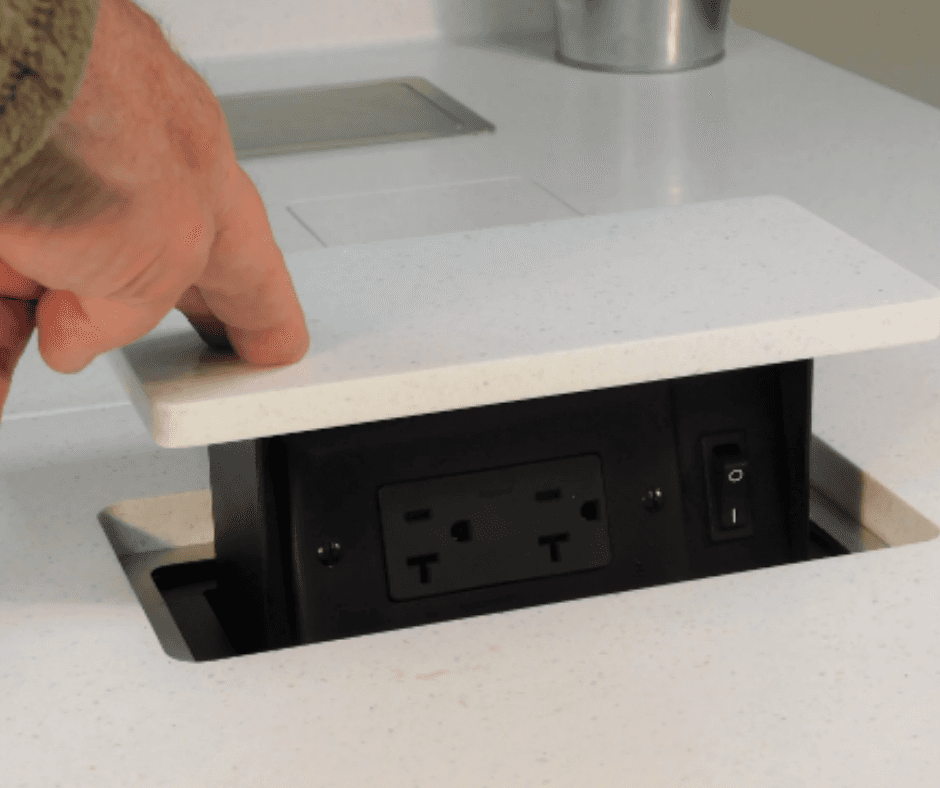
For years, kitchen islands were a hub of activity—and a hub of electrical receptacles. From slow cookers sizzling away to mixers whipping up batters, those outlets on the sides of islands made appliance power convenient. But a major update to the National Electrical Code (NEC) has changed the game: island outlets are no longer required, and if installed, they typically must be above or within the countertop—not mounted on the side below it.
Let’s break down what happened, why it matters, and how designers, builders, and homeowners should approach outlet planning under the 2023 NEC changes.
A Brief History: What the Old Code Required
Before the 2023 update, under the 2017 and 2020 NEC editions, islands and peninsulas had mandatory receptacle requirements:
One receptacle minimum for defined countertop areas.
Additional receptacles required based on island surface area.
Flexible placement, including side-mounted outlets below the countertop.
For designers and builders, this typically meant planning multiple outlets on the island face or ends—even if it wasn’t always aesthetically pleasing.
Over the last decade, the NEC repeatedly tried to clarify where those outlets could go (above, below, in backsplash, etc.), but the 2023 code made the biggest shift yet.
The Core NEC Changes That Matter
1. Island Outlets Are No Longer Required
One of the biggest shifts in the 2023 NEC is that island or peninsula countertop outlets are now optional. Previously, depending on size, you had to install at least one (or more) outlets to serve countertop spaces. That requirement has been removed.
The new section in the NEC (specifically 210.52(C)(2)) reads roughly like this (paraphrased for clarity):
Receptacle outlets, if installed to serve an island or peninsular countertop or work surface, must follow the location rules in 210.52(C)(3). If no outlet is installed to serve the island or peninsula, provisions must be made for future installation.
This means you could legally build an island with no receptacle outlets at all, so long as you provide a way to add them later (raceway, junction box, conduit, etc.).
2. Where You Can Put Outlets If You Want Them
If you do want outlets on your island (and many homeowners do), the rules now say they must be:
✅ On or above the countertop/work surface (e.g., mounted on a raised ledge no more than 20″ above the countertop).
✅ In the countertop surface using listed receptacle assemblies—which means pop-up or similar devices designed for that use.
This is a big shift from the old days when outlets could be placed on the side of the island below the countertop. That practice is now generally not permitted when the outlet is intended to serve the countertop work surface.
3. What’s Not Allowed
Under the new guidance:
❌ Side-mounted outlets below the countertop face cannot count as serving the island or peninsula countertop space.
❌ Traditional below-counter outlets used to serve countertop workspaces are out—unless they’re just general convenience outlets separate from NEC’s countertop requirements (this interpretation can vary by inspector).
This means that the old standard location many of us are used to—that outlet tucked into the side of a cabinet under the overhang—is no longer compliant under the latest NEC editions.
What’s Driving the Change? (Hint: Safety)
The NEC didn’t make these changes on a whim. Safety concerns were the driving force—especially injuries tied to cords plugged into side outlets on islands and peninsulas.
According to data provided by the U.S. Consumer Product Safety Commission (CPSC), thousands of people (including many children) were injured when cords from island receptacles were pulled—often tipping appliances with hot contents off counters.
This type of incident was far more common than previously documented, and the code panel decided a significant shift in how receptacles can be installed was necessary to reduce cord hazards near busy work surfaces.
Design and Practical Implications
1. Kitchen Layouts Will Look Different
Without side-mounted outlets, designers and homeowners are rethinking island layouts:
📌 Pop-Up Outlets: These plug into the countertop surface and retract when not used, giving a sleek, modern look while meeting code.
📌 Raised Bars or Backsplash-Mounted Outlets: If aesthetics allow, a raised ledge or vertical panel behind the island can host receptacles above the work surface.
📌 No Outlet Option: Some designs omit island outlets entirely, instead leaving pull-outs, swappable USB hubs, or just planning future rough-ins.
2. Rough-Ins Become More Important
Even if you don’t want outlets, the code now requires you provide a path for future installation. That means:
🔧 Running a conduit to the island.
🔌 Installing a junction box in an accessible location.
🔩 Leaving a stub-out or labeled rough-in.
This future-proofing ensures that if someone later wants to install a pop-up or surface outlet, it can be done without tearing apart cabinets or counters.
3. Designer vs. Inspector — Check Local Adoption
Here’s the trickiest part: NEC is a model code. It only becomes enforceable when a state or local jurisdiction adopts that edition of the code. Jurisdictions vary widely:
Some have already adopted the 2023 NEC with these changes.
Others are still using 2017 or 2020 editions (and thus still require outlets per old rules).
Some adopt with local amendments.
Always check with your local building department or electrical inspector before finalizing plans. If your jurisdiction hasn’t adopted the 2023 code yet, the old outlet requirements may still apply.
Why Some People Aren’t Happy
As with any major code shift, there’s pushback:
👎 Aesthetics: Pop-up outlets aren’t everyone’s taste, and they can interrupt a clean stone slab look.
👎 Cost: Pop-up outlets and in-counter receptacle assemblies are more expensive than standard wall mounts.
👎 Convenience: Some homeowners love having outlets on the side of an island to plug in mixers and blenders without reaching over cooktops.
Still, many agree the safety rationale resonates—especially with kids underfoot who might tug cords while someone is cooking.
Tips for Compliant and Functional Island Outlets
Here are practical tips to navigate the new NEC landscape:
✅ Plan Early with Your Electrician
Discuss island receptacle options during the design phase—not after cabinets are built.
✅ Choose Listed Countertop Receptacles
If you go with in-countertop outlets, make sure they’re listed for countertop use and meet all moisture/spill resistance requirements.
✅ Consider Future Needs
Even if you omit outlets now, rough-ins are worth the small upfront cost—especially if your kitchen usage evolves.
✅ Know Your Local Code
NEC adoption varies by state and municipality. Always verify which edition of the code your project falls under.
Conclusion
The NEC’s latest update to countertop and island outlet requirements has transformed a routine design element into something designers and homeowners must take seriously. Outlets on kitchen islands are now optional and must be surface-mounted above or within the countertop if installed—no more below-counter side outlets to serve work surfaces.
This shift was driven by safety concerns, backed by data showing injuries from cord pulls and appliance accidents. While the change increases planning complexity and can add cost, it also encourages cleaner designs and encourages future-ready wiring paths.
Whether you’re a DIY renovator, professional designer, or builder, understanding and embracing these NEC changes is key to creating kitchens that are not just beautiful—but safe and compliant for years to come.