
Feb 13, 2026
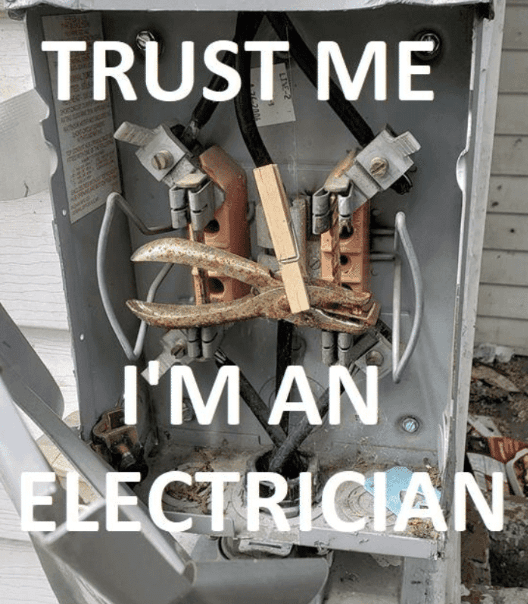
Social media has changed the way people learn new skills. From cooking recipes to home improvement tips, short-form videos make complex tasks look quick, easy, and foolproof. Electrical work, unfortunately, has not escaped this trend. DIY electrical “hacks” are everywhere online, promising fast fixes, cheap upgrades, and clever shortcuts.
But here’s the truth most viral clips don’t mention: electricity is not forgiving. What looks like a clever trick on your phone screen can become a serious safety hazard inside your walls. As professional electricians know, many of these so-called hacks are not only ineffective — they can be dangerous, illegal, or costly to fix later.
Let’s break down what’s really going on behind viral electrical tips and what homeowners should understand before attempting them.
Why Electrical Hacks Go Viral
Short-form video platforms reward content that is:
Visually satisfying
Fast-paced
Surprising
Easy to replicate
Electrical “hacks” fit that formula perfectly. A creator twists a couple wires together, flips a breaker, and suddenly a light turns on. To viewers, it looks like magic. In reality, these videos often skip critical steps, safety checks, and code requirements.
Most viral creators are not licensed electricians. They may be experimenting, repeating something they saw elsewhere, or simply staging a demonstration for views. What viewers don’t see is:
Whether the setup was temporary
If it passed inspection
Whether it overheated later
If it violates electrical code
If it voids insurance coverage
The result? Millions of people watch content that prioritizes entertainment over safety.
The Biggest Myth: “If It Works, It’s Safe”
One of the most dangerous assumptions homeowners make is believing that if a wiring trick powers a device successfully, it must be safe. Electricity doesn’t work that way.
Electrical systems can function incorrectly for months or years before a failure occurs. Problems like loose connections, undersized wires, or overloaded circuits often build slowly. Heat accumulates, insulation degrades, and eventually something fails — sometimes catastrophically.
Many viral hacks create exactly these hidden risks.
Common Viral Electrical Hacks (and Why They’re Risky)
Here are some of the most popular categories of online electrical tips that professionals warn against.
1. Twisting Wires Together Without Proper Connectors
Some videos show people joining wires by twisting them together and wrapping them in electrical tape. This is not a safe or permanent connection.
Why it’s dangerous:
Loose connections create resistance
Resistance creates heat
Heat can melt insulation or start fires
Approved wire connectors are designed to maintain pressure, conductivity, and insulation. Tape alone cannot do that reliably.
2. Oversizing Breakers to Stop Tripping
Another viral “solution” suggests replacing a frequently tripping breaker with a higher amp breaker.
This is extremely dangerous.
Breakers are sized specifically to protect wiring. Installing a larger breaker allows more current than the wire can safely handle, which can cause wires inside walls to overheat and ignite.
A tripping breaker is a warning sign — not a problem to bypass.
3. Backfeeding Power Through Outlets
Some clips demonstrate ways to power parts of a home during an outage by plugging generators directly into outlets.
This practice is widely considered one of the most hazardous DIY electrical tricks.
Risks include:
Electrocution hazards for utility workers
Damage to appliances
Fire risk
Code violations
Generator destruction
Proper generator connections require transfer switches or interlock systems installed by professionals.
4. Using Extension Cords as Permanent Wiring
Videos often show creative ways to route extension cords through walls or ceilings to add outlets cheaply.
Extension cords are designed for temporary use. Running them through walls:
Traps heat
Prevents inspection
Increases fire risk
Violates electrical codes
Permanent wiring must be installed using approved cables inside protective pathways.
5. Bypassing Ground Wires
Some hacks suggest skipping the ground wire if an outlet or fixture “still works.”
Grounding is not optional. It’s a critical safety path that directs stray electricity safely into the earth. Without grounding:
Metal surfaces can become energized
Shock risk increases dramatically
Sensitive electronics can be damaged
A device functioning without ground does not mean it’s safe.
The Hidden Cost of DIY Electrical Mistakes
One reason viral hacks spread is the promise of saving money. But electrical shortcuts often cost more in the long run.
Incorrect DIY electrical work can lead to:
Failed home inspections
Required rewiring
Appliance damage
Insurance claim denial
Electrical fires
Injury liability
According to safety reports from the U.S. Consumer Product Safety Commission, electrical malfunctions are a leading cause of residential fires each year. Many of these incidents trace back to improper installations or repairs.
Fixing unsafe wiring is often more expensive than doing it correctly the first time because electricians must first locate and undo hidden problems.
Code Compliance Isn’t Optional
Electrical codes exist for one primary reason: safety. They are based on decades of real-world data, engineering analysis, and incident investigations.
Professional electricians follow strict guidelines regarding:
Wire size
Breaker ratings
Box fill limits
Grounding methods
Circuit load calculations
Connector types
Installation spacing
Most viral hacks ignore these requirements completely. Even if they seem harmless, unpermitted or non-code work can create legal and financial consequences for homeowners, especially when selling a property.
The Difference Between a Tip and a Technique
Not all online electrical advice is bad. Some content creators are licensed professionals sharing legitimate tips. The challenge for viewers is knowing the difference.
Reliable electrical guidance typically:
Explains why something works
References safety standards
Mentions code compliance
Shows proper tools
Emphasizes risk awareness
Unreliable hacks usually:
Promise quick fixes
Skip explanations
Avoid safety warnings
Use vague language
Focus on speed instead of accuracy
When in doubt, assume a viral shortcut is oversimplified.
Why Professional Electrical Work Matters
Electricians undergo years of training, testing, and field experience before becoming licensed. They learn:
Electrical theory
Load calculations
Fault detection
System design
Code compliance
Safety protocols
This knowledge allows them to identify problems that aren’t visible to untrained eyes. Electrical systems are interconnected, and a mistake in one area can affect circuits throughout a home or building.
Hiring a professional isn’t just about convenience — it’s about risk reduction.
Safe DIY vs. Dangerous DIY
Homeowners can safely handle certain electrical-related tasks, as long as they stay within their skill level and local regulations.
Generally safe tasks include:
Replacing light bulbs
Resetting breakers
Installing plug-in smart devices
Changing faceplates
Tasks that should be left to professionals:
Running new wiring
Replacing panels
Installing circuits
Upgrading service
Troubleshooting faults
Generator hookups
The dividing line is simple: if the task involves exposed wiring or panel work, it’s best handled by a licensed electrician.
Why Shortcuts and Electricity Don’t Mix
Electricity operates instantly, silently, and invisibly. Unlike plumbing leaks or structural cracks, electrical hazards often show no warning signs until failure occurs. That’s what makes shortcuts especially dangerous.
A wiring mistake hidden behind drywall could:
Smolder for weeks
Arc intermittently
Heat slowly
Fail suddenly
By the time symptoms appear — flickering lights, burning smells, or tripping breakers — damage may already be occurring.
The Real Takeaway
DIY culture can be empowering, educational, and cost-effective when applied to the right projects. Painting a room, installing shelves, or assembling furniture are great examples. Electrical systems, however, are not the place for experimentation inspired by viral videos.
The truth about online electrical hacks is simple:
If a trick looks faster, cheaper, and easier than professional work, there’s a good chance it’s skipping something critical.
Electricity rewards precision, not shortcuts.
Final Thoughts
Social media can be a fantastic source of inspiration, but it shouldn’t replace expert knowledge — especially when safety is involved. Viral electrical hacks may generate views, likes, and shares, but they rarely show the long-term consequences or hidden risks.
Before trying any electrical fix you saw online, ask yourself:
Is this code compliant?
Is it safe long term?
Would a licensed electrician approve?
If you’re unsure, the safest move is always to consult a professional. In electrical work, doing it right isn’t just best practice — it’s protection for your home, your investment, and your safety.