
Apr 3, 2026
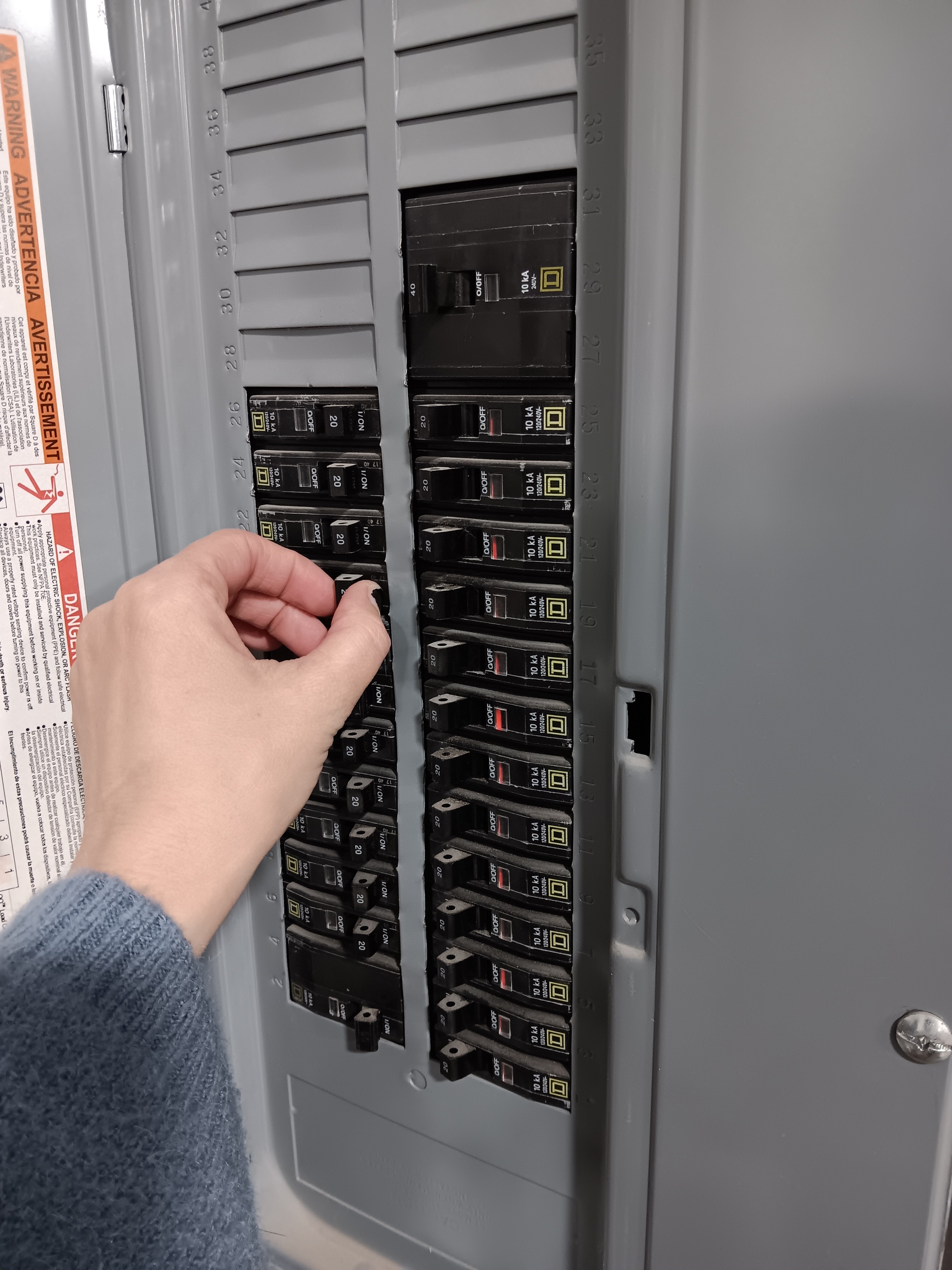
If your circuit breaker keeps tripping, it’s not just an inconvenience—it’s your electrical system trying to tell you something important. While it might be tempting to simply flip the breaker back on and move on with your day, repeated tripping is often a warning sign of a deeper issue that could put your home and safety at risk.
For homeowners in Des Moines and surrounding communities like Urbandale, Grimes, Dallas Center, and West Des Moines, understanding why breakers trip—and when it becomes dangerous—can help you avoid costly damage, electrical fires, or even injury.
Let’s break down what’s happening behind your panel and what you should do about it.
What Does It Mean When a Breaker Trips?
Your circuit breaker is designed to protect your home. When it “trips,” it shuts off power to a circuit to prevent overheating, electrical fires, or damage to your appliances.
Think of it as a built-in safety switch. Instead of allowing wires to overheat and potentially ignite, the breaker cuts the flow of electricity the moment it detects a problem.
So while a tripped breaker might feel annoying, it’s actually doing its job.
The Most Common Reasons Your Breaker Keeps Tripping
1. Circuit Overload
This is the most common cause—and often the easiest to fix.
An overload happens when too many devices are drawing power from the same circuit at once. For example, if you’re running a microwave, coffee maker, and toaster on the same kitchen circuit, you’re likely exceeding its capacity.
Signs of an overloaded circuit:
Breaker trips when multiple appliances are running
Lights dim when devices turn on
The problem goes away when you unplug something
Why it matters:
Occasional overloads aren’t usually dangerous, but frequent ones can wear down your system over time and signal that your home doesn’t have enough circuits for modern electrical demands.
2. Short Circuit
A short circuit is more serious.
This occurs when a hot wire touches a neutral wire, causing a sudden surge of electricity. This surge generates heat and can damage wiring almost instantly.
Common causes:
Damaged wires
Loose connections
Faulty outlets or switches
Signs of a short circuit:
Breaker trips immediately when turned on
Burning smell or scorch marks
A specific outlet or appliance causes the issue every time
Why it matters:
Short circuits are dangerous and can lead to electrical fires if not addressed quickly.
3. Ground Fault
A ground fault is similar to a short circuit but involves electricity taking an unintended path to the ground—often through metal or water.
These are especially common in kitchens, bathrooms, basements, and outdoor areas.
Signs of a ground fault:
Breaker trips when using appliances near water
GFCI outlets frequently trip
You may feel a slight shock when touching an appliance
Why it matters:
Ground faults can pose a serious shock risk, especially in wet environments.
4. Faulty Appliances
Sometimes the issue isn’t your electrical system—it’s what you’ve plugged into it.
Older or damaged appliances can draw inconsistent current or have internal wiring issues that cause breakers to trip.
Common culprits:
Space heaters
Window AC units
Hair dryers
Refrigerators (especially older ones)
What to do:
Try plugging the appliance into a different circuit. If the breaker trips again, the appliance is likely the problem.
5. Aging or Outdated Electrical Panel
Many homes in the Des Moines area—especially older neighborhoods—weren’t built to handle today’s electrical demands.
If your panel is outdated or undersized, it may trip frequently simply because it can’t keep up.
Signs your panel may be the issue:
Breakers trip regularly without a clear cause
You still have a 100-amp panel (or smaller)
You’ve added major appliances (EV charger, hot tub, etc.)
Your panel feels warm or looks outdated
Why it matters:
An outdated panel isn’t just inconvenient—it can become a safety hazard if it fails to properly protect your system.
When Is a Tripping Breaker Dangerous?
Not every tripped breaker is cause for panic—but some situations should never be ignored.
Here’s when you should take it seriously:
🚨 It Trips Repeatedly
If the same breaker trips over and over, even after resetting, that’s a red flag. This indicates an ongoing issue that needs professional attention.
🚨 You Smell Burning or See Scorch Marks
This is a major warning sign of overheating or damaged wiring. Turn off power immediately and call an electrician.
🚨 The Breaker Won’t Reset
If a breaker won’t stay on, there’s likely a short circuit or ground fault present.
🚨 You Feel Heat from the Panel
Your electrical panel should never feel warm to the touch. Heat indicates excessive current or failing components.
🚨 You Hear Buzzing or Crackling Sounds
Electricity should be silent. Unusual sounds can indicate loose wiring or arcing—both serious fire hazards.
What You Should (and Shouldn’t) Do
✅ What You SHOULD Do:
Unplug devices on the affected circuit
Reset the breaker once
Monitor if it trips again
Identify patterns (time of day, appliances in use)
❌ What You Should NOT Do:
Don’t keep resetting the breaker repeatedly
Don’t ignore frequent tripping
Don’t attempt DIY electrical repairs unless you’re qualified
How an Electrician Can Fix the Problem
When you call a professional electrician, they’ll do more than just reset the breaker—they’ll diagnose the root cause.
This may include:
Inspecting your panel and circuits
Testing for shorts or ground faults
Evaluating your home’s electrical load
Recommending upgrades or repairs
In many cases, the solution could be as simple as redistributing circuits—or as involved as upgrading your panel.
Preventing Breaker Issues in the Future
While some issues are unavoidable, there are steps you can take to reduce the risk:
Spread Out Your Electrical Load
Avoid plugging too many high-powered devices into a single circuit.
Upgrade When Needed
If your home is older or you’re adding new appliances, an electrical panel upgrade may be necessary.
Schedule Regular Inspections
Having your system checked periodically can catch problems before they become dangerous.
Be Mindful of Warning Signs
Flickering lights, buzzing outlets, and frequent breaker trips are all early indicators of trouble.
Final Thoughts
A tripping breaker is more than just a minor annoyance—it’s your home’s way of protecting itself. While occasional trips may not be a big deal, repeated or unexplained tripping should never be ignored.
For homeowners in Des Moines and surrounding areas, staying proactive about your electrical system can prevent serious hazards and give you peace of mind.
If your breaker keeps tripping and you’re not sure why, it’s always better to be safe than sorry. A quick inspection today could prevent a costly—or dangerous—problem tomorrow.