
Sep 3, 2026
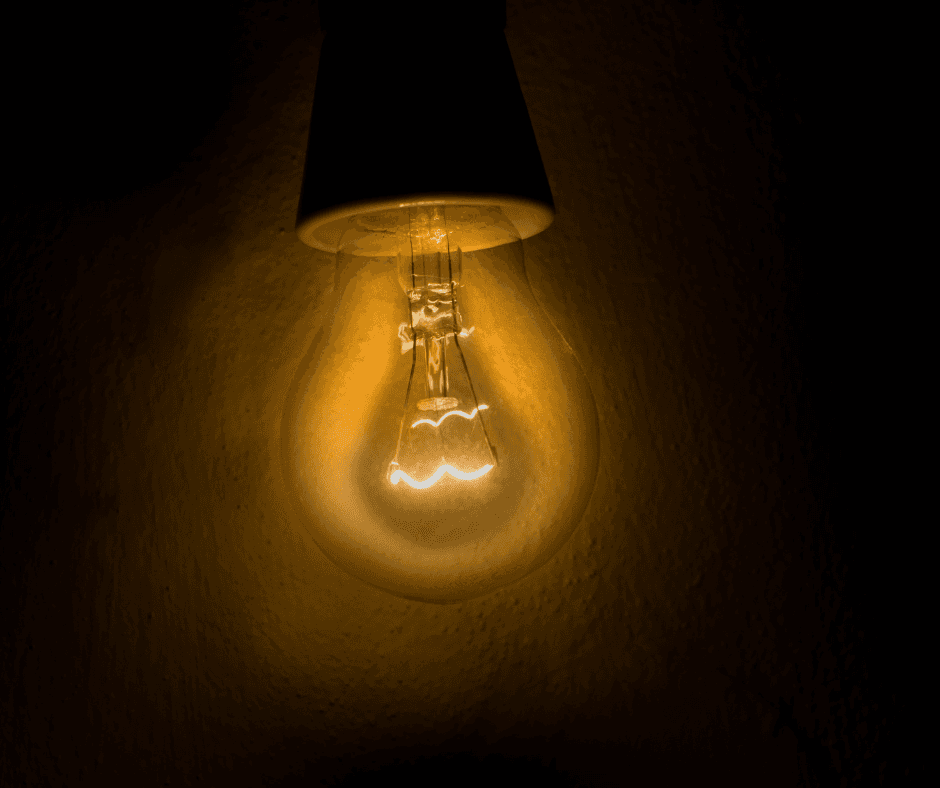
Have you ever turned on a light and noticed it flickering, dimming, or briefly going dark before coming back on? An occasional flicker may seem harmless, but if your lights are flickering regularly, it could be a sign that something is going on with your electrical system.
Sometimes the cause is as simple as a loose light bulb. Other times, flickering lights can point to loose wiring, an overloaded circuit, voltage problems, or an issue with your electrical panel.
So, why are your lights flickering?
There are several possible causes. Understanding what may be behind the problem can help you determine whether it is something you can easily fix yourself or whether it is time to call a professional electrician.
1. The Light Bulb Is Loose
Before assuming there is a major electrical problem, start with the simplest possibility: the bulb itself.
A light bulb that isn't properly screwed into its socket may not maintain a consistent electrical connection. This can cause intermittent flickering, especially if the light fixture is bumped, moved, or exposed to vibration.
Turn the light off and, once the bulb has cooled, make sure it is securely installed. If you're dealing with a replaceable LED bulb, incandescent bulb, or other standard bulb, replacing it with a new one can also help determine whether the bulb itself is the problem.
If the flickering stops after replacing or tightening the bulb, you may have solved the issue.
However, if the light continues to flicker, don't assume the problem is just the bulb. There may be another electrical issue that needs attention.
2. Your Light Bulb and Dimmer Switch May Not Be Compatible
If your flickering light is connected to a dimmer switch, compatibility could be the problem.
Not all LED bulbs are designed to work with every dimmer. Older dimmer switches were often designed for incandescent bulbs and may not work properly with newer LED technology. The result can be flickering, buzzing, inconsistent brightness, or lights that don't turn on correctly.
If your lights only flicker when you adjust the dimmer, check whether the bulbs are labeled as dimmable and whether the dimmer is compatible with LED bulbs.
Replacing an outdated dimmer with one designed for the type of bulbs you're using may solve the problem.
If you're unsure whether the dimmer, bulb, or wiring is causing the issue, an electrician can diagnose the problem and recommend the appropriate solution.
3. A Circuit May Be Overloaded
Your home's electrical system is designed to handle a certain amount of electrical demand. When too many appliances or devices are operating on the same circuit, the circuit can become overloaded.
You might notice your lights flickering or dimming when a large appliance turns on. For example, you may see a brief change in brightness when your air conditioner, refrigerator, microwave, sump pump, or another high-demand appliance starts running.
A brief flicker when a large motor-driven appliance starts isn't necessarily an emergency. However, frequent or significant flickering shouldn't be ignored.
An electrician can determine how much electrical load is being placed on a circuit and whether the circuit is appropriately sized for the equipment connected to it.
This is particularly important in older homes, where the electrical system may not have been designed for the number of appliances and electronics modern households use every day.
4. There Could Be a Loose Electrical Connection
One of the more concerning causes of flickering lights is a loose electrical connection.
Electrical connections can loosen over time due to age, vibration, heat, or other factors. A loose connection can occur at a light fixture, outlet, switch, junction box, or another point within the electrical system.
Because electricity generates heat as it passes through a poor connection, a loose connection can potentially become a serious safety concern.
If your lights are flickering throughout the house rather than just at one fixture, the problem may be farther upstream in your electrical system.
Do not attempt to open electrical boxes or tighten wiring yourself unless you are qualified to do so. Electrical work can be dangerous, and incorrectly handling wiring can create shock or fire hazards.
If you suspect a loose connection is causing your lights to flicker, have a licensed electrician inspect the system.
5. Your Electrical Panel Could Be Having a Problem
Your electrical panel is the central point where electricity is distributed throughout your home. If there is a problem with a breaker, connection, bus bar, or another component within the panel, you may notice unusual electrical behavior, including flickering lights.
Panel problems can become more concerning when flickering is accompanied by other warning signs.
Pay attention if you notice:
Flickering lights throughout multiple areas of your home
Breakers that trip frequently
A burning smell near the electrical panel
Buzzing, crackling, or sizzling sounds
Discoloration or scorching around the panel
Breakers that feel unusually hot
Lights that become significantly brighter or dimmer
These symptoms warrant professional attention.
Your electrical panel isn't something you should take apart or attempt to repair yourself. If you suspect a problem with the panel, contact an electrician for an inspection.
6. The Problem Could Be With Your Home's Wiring
Homes built many years ago may have wiring that is aging, damaged, outdated, or no longer adequate for the home's current electrical demands.
Flickering lights can sometimes be an indication that the wiring needs to be inspected.
This doesn't automatically mean that an entire house needs to be rewired. An electrician can evaluate the condition of the wiring and determine whether the issue is isolated to one circuit or indicative of a larger problem.
Older homes can have additional electrical concerns depending on when they were built and what modifications have been made over the years. Previous DIY electrical work, renovations, additions, and multiple generations of repairs can all affect the condition of an electrical system.
If you're living in an older Iowa home and have noticed increasingly frequent flickering, it may be worthwhile to have the electrical system evaluated.
7. There May Be an Issue With the Electrical Service
If multiple lights throughout your home are flickering or changing brightness at the same time, the problem may not be limited to a single fixture or circuit.
In some situations, flickering can be related to the home's incoming electrical service or a problem with the connection supplying power to the home.
This is one reason it's important to pay attention to where and when the flickering happens.
For example, ask yourself:
Is only one light flickering?
Are several lights on the same circuit flickering?
Are lights throughout the entire house flickering?
Does the flickering happen when a large appliance turns on?
Does it happen randomly?
Does it happen more frequently during storms?
Are lights getting brighter as well as dimmer?
These details can give an electrician valuable information when diagnosing the problem.
When Is Flickering Normal?
Not every brief change in lighting means your home has a dangerous electrical problem.
You might notice a very brief flicker when a large appliance or motor starts. A refrigerator, air conditioner, furnace, or other equipment can temporarily change the electrical demand on your home's system.
However, there is a difference between an occasional, barely noticeable flicker and lights that repeatedly flash, dim, or brighten.
If flickering is becoming a regular occurrence, it's worth finding out why.
The more frequently it happens—or the more lights that are affected—the more important it is to have the issue investigated.
When Should You Call an Electrician?
You should consider calling a professional electrician if you've ruled out a loose bulb or incompatible dimmer and the flickering continues.
It's especially important to have your electrical system inspected if flickering occurs alongside other warning signs, such as:
Burning or unusual smells
Buzzing or crackling sounds
Warm or discolored outlets or switches
Frequently tripping breakers
Sparks from outlets or switches
Flickering throughout multiple rooms
Lights suddenly becoming much brighter
Electrical shocks or tingling when using fixtures or appliances
These symptoms can indicate a more serious electrical problem.
If you smell burning, see smoke, or believe there is an immediate electrical fire hazard, turn off power if it is safe to do so, leave the area, and contact the appropriate emergency services.
Don't Ignore Persistent Flickering Lights
Flickering lights are easy to dismiss because they don't always cause an immediate problem. But your home's electrical system is designed to deliver consistent, reliable power, and changes in lighting can sometimes provide an early warning that something isn't working as it should.
The good news is that flickering lights don't automatically mean you need expensive electrical work. The cause could be something simple, such as a bad bulb or incompatible dimmer.
The important thing is figuring out what is actually causing the flickering.
A professional electrician can inspect the affected fixtures, circuits, electrical panel, and other components to determine where the problem is occurring and what needs to be done to correct it.
Flickering Lights in Your Des Moines-Area Home?
If your lights have started flickering and the problem keeps coming back, don't just get used to it. A quick electrical inspection can help identify the cause and give you peace of mind that your home's electrical system is operating safely.
Whether you're dealing with a single troublesome light or flickering throughout your home, Deaver Electric can help diagnose the problem and recommend the right solution for your home.
Serving homeowners throughout the Des Moines area and surrounding communities, including Grimes, Dallas Center, Urbandale, Clive, West Des Moines, and Adel, our experienced electricians are here to help keep your home's electrical system safe and reliable.
If your lights are flickering, contact Deaver Electric to schedule an electrical inspection.