
May 28, 2026
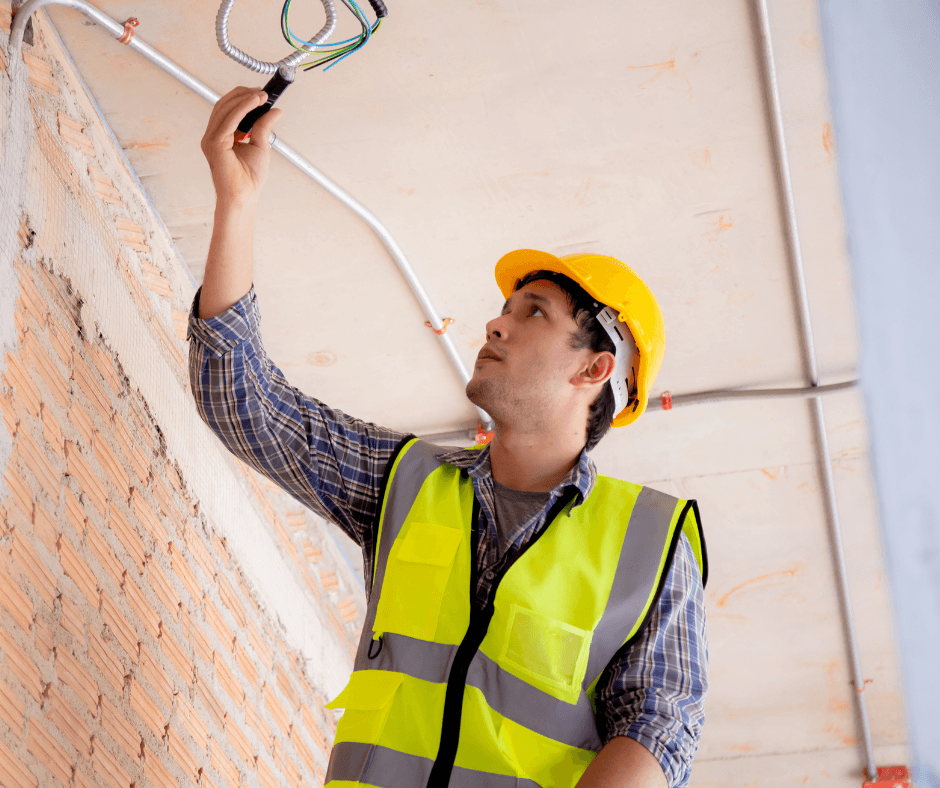
For many homeowners, the phrase “electrical inspection” can sound intimidating. Some people picture an electrician walking through the home looking for problems, while others assume inspections are only necessary when buying or selling a house. In reality, electrical inspections are one of the best ways to protect your home, your family, and your investment.
Whether you live in an older home in Des Moines, a newer house in Grimes, or a growing neighborhood in Waukee, your electrical system works hard every day. From powering appliances and HVAC systems to charging devices and running smart home technology, modern homes rely on electricity more than ever before. An inspection helps ensure your system is operating safely, efficiently, and up to current standards.
If you’ve ever wondered what actually happens during an electrical inspection, this guide breaks it down step by step.
What Is an Electrical Inspection?
An electrical inspection is a professional evaluation of your home’s electrical system. The goal is to identify safety hazards, outdated components, improper wiring, overloaded circuits, code violations, and other issues that could lead to power problems or even electrical fires.
Electrical inspections can be performed for several reasons, including:
Buying or selling a home
Remodeling or additions
Insurance requirements
Troubleshooting recurring electrical issues
Updating older homes
General preventative maintenance
Many homeowners wait until something goes wrong before calling an electrician, but proactive inspections can catch problems early — before they become dangerous or expensive.
Why Electrical Inspections Matter
Your electrical system is largely hidden behind walls, ceilings, and panels, which makes it easy for problems to go unnoticed. Unlike a plumbing leak or damaged flooring, electrical issues often develop silently over time.
An inspection can help uncover problems such as:
Loose connections
Overheated wiring
Improper grounding
Outdated panels
Double-tapped breakers
Unsafe DIY wiring
Overloaded circuits
Damaged outlets or switches
Missing GFCI or AFCI protection
These issues may not seem urgent at first, but they can increase the risk of:
Electrical fires
Shock hazards
Appliance damage
Frequent breaker trips
Power outages
Expensive future repairs
For older homes throughout the Des Moines metro, inspections are especially valuable because many systems were not designed for today’s electrical demands.
When Should You Schedule an Electrical Inspection?
There is no single rule for when a homeowner should schedule an inspection, but there are several situations where it is strongly recommended.
Before Buying a Home
A standard home inspection may identify visible electrical concerns, but a licensed electrician can perform a much more detailed evaluation. This is especially important for homes older than 25 years.
Before a Major Remodel
Adding a finished basement, home office, kitchen remodel, or hot tub can place additional demand on your system. An inspection helps determine whether your current electrical setup can safely support the upgrades.
If You Live in an Older Home
Homes built decades ago often contain outdated wiring methods or undersized electrical panels that may no longer meet modern needs.
If You’re Experiencing Electrical Problems
Signs that you should schedule an inspection include:
Flickering lights
Warm outlets
Buzzing sounds
Burning smells
Frequently tripped breakers
Dead outlets
Dimming lights when appliances run
Every Few Years for Preventative Maintenance
Even if everything appears normal, periodic inspections can provide peace of mind and catch hidden issues before they escalate.
What Does an Electrician Check During an Inspection?
Every home is different, but most residential electrical inspections include a thorough review of the major components of your electrical system.
1. Electrical Panel Inspection
The electrical panel is the heart of your home’s power system, so it is one of the first things inspected.
The electrician will typically check for:
Proper breaker sizing
Signs of overheating
Corrosion or moisture
Loose connections
Panel capacity
Double-tapped breakers
Manufacturer recalls or known problem panels
Proper labeling
In many Iowa homes, older 100-amp panels may struggle to support today’s electrical usage, especially with EV chargers, modern HVAC systems, and multiple large appliances.
If the panel is outdated or overloaded, the electrician may recommend a panel upgrade.
2. Wiring Evaluation
The wiring throughout your home is another major focus.
The electrician may inspect:
Visible wiring in basements or utility areas
Wire condition and insulation
Signs of rodent damage
Improper splices
Exposed wiring
Aluminum wiring concerns
Knob-and-tube wiring in older homes
Unsafe or aging wiring can become a serious fire hazard over time, particularly if previous DIY work was done incorrectly.
3. Outlet and Switch Testing
Outlets and switches are checked for both safety and functionality.
This can include testing for:
Proper grounding
Correct polarity
GFCI protection
AFCI protection
Loose connections
Damaged receptacles
Signs of overheating
The electrician may also identify areas where outlets are outdated or insufficient for modern use.
For example, older homes may lack enough kitchen circuits or bathroom GFCI outlets required by current code standards.
4. Grounding and Bonding
Grounding is one of the most important safety features in any electrical system.
An inspection may verify:
Proper grounding rods
Bonding connections
Ground continuity
Safe grounding of metal systems
Improper grounding increases the risk of shock hazards and equipment damage during electrical faults or lightning events.
5. Smoke Detectors and Safety Devices
Many electricians also evaluate safety systems connected to the electrical system.
This may include checking:
Smoke detector placement
Carbon monoxide detectors
Interconnected alarms
Hardwired safety devices
Outdated or non-functioning smoke detectors are more common than many homeowners realize.
6. Exterior Electrical Components
Outdoor electrical systems are often exposed to weather, moisture, and physical wear.
The inspection may include:
Exterior outlets
Weatherproof covers
Garage wiring
Landscape lighting
Pool or hot tub circuits
Service entrance condition
In Iowa, freeze-thaw cycles and storms can take a toll on outdoor electrical equipment over time.
Will the Electrician Need to Cut Into Walls?
In most cases, no. A standard residential electrical inspection is non-invasive.
Electricians can evaluate a large portion of the system through:
Panel testing
Outlet testing
Visible wiring access
Diagnostic tools
If hidden problems are suspected, additional investigation may sometimes be recommended, but most inspections do not involve opening walls.
How Long Does an Electrical Inspection Take?
The length of the inspection depends on the size, age, and condition of the home.
Typically:
Smaller homes may take 1–2 hours
Larger or older homes may take several hours
Homes with known issues may require additional troubleshooting
An older home with previous remodels or DIY electrical work often takes longer because more detailed evaluation is necessary.
What Happens After the Inspection?
Once the inspection is complete, the electrician will usually provide:
A summary of findings
Safety concerns
Recommended repairs or upgrades
Code-related issues
Maintenance suggestions
Some issues may require immediate attention, while others may simply be recommended improvements for long-term safety and reliability.
A good electrician should explain findings clearly and prioritize which issues are most important.
Common Problems Found During Electrical Inspections
Some of the most common issues discovered during residential inspections include:
Overloaded Panels
Modern homes use far more electricity than homes built decades ago were designed for.
Improper DIY Wiring
Homeowners sometimes attempt electrical work without permits or proper knowledge, creating hidden hazards.
Missing GFCI Protection
Older kitchens, bathrooms, garages, and outdoor outlets may lack required protection.
Double-Tapped Breakers
This occurs when two wires are connected to a breaker designed for only one.
Loose Connections
Loose electrical connections can generate heat and increase fire risk.
Aging Wiring
Old insulation and outdated wiring methods can deteriorate over time.
Are Electrical Inspections Worth It?
Absolutely.
Electrical inspections are relatively small investments compared to the cost of major repairs, fire damage, or emergency electrical failures.
A professional inspection can help homeowners:
Improve safety
Prevent costly repairs
Reduce fire risks
Plan future upgrades
Gain peace of mind
Ensure code compliance
Protect appliances and electronics
For homeowners in Des Moines and surrounding communities like Urbandale, Clive, Grimes, Waukee, Adel, and Dallas Center, inspections are especially valuable in older homes where electrical systems may not have been updated in years.
Final Thoughts
Your electrical system powers nearly every part of your daily life, but because most of it stays hidden behind walls, problems can easily go unnoticed until something fails.
An electrical inspection provides a clear picture of your home’s electrical health and helps identify issues before they become dangerous. Whether you’re buying a home, planning renovations, dealing with recurring electrical issues, or simply wanting peace of mind, a professional inspection is one of the smartest steps a homeowner can take.
If it has been years since your home’s electrical system was evaluated — or if you’re noticing warning signs like flickering lights, tripped breakers, or warm outlets — it may be time to schedule a professional inspection. Catching small issues early can save money, improve safety, and help ensure your home’s electrical system is ready for today’s demands and tomorrow’s technology.