
May 22, 2026
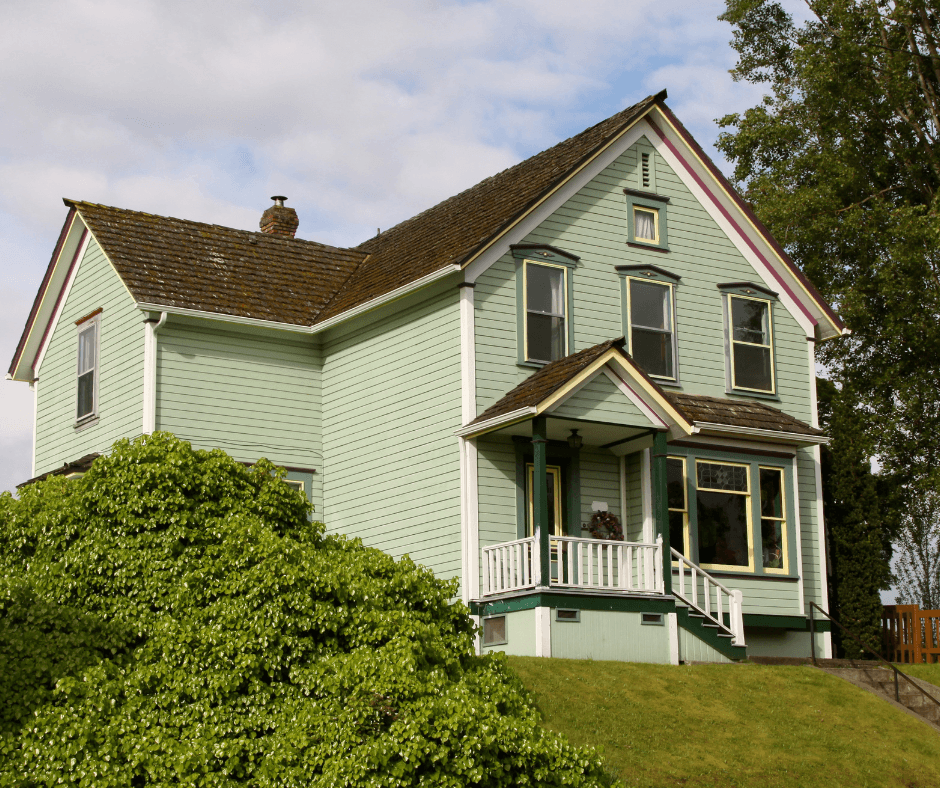
Older homes have a lot of charm. From original hardwood floors and detailed trim work to unique layouts and solid craftsmanship, many homeowners love the character that comes with an older property. But behind those beautiful walls, there may be electrical issues quietly developing that most homeowners never notice until something stops working — or worse, becomes a safety hazard.
At first glance, an older home’s electrical system may seem fine. The lights turn on, the outlets work, and the breakers haven’t tripped lately. But electrical systems age just like roofing, plumbing, and HVAC systems do. Many homes built decades ago were never designed to handle today’s electrical demands, and hidden issues can go unnoticed for years.
Here are some of the most overlooked electrical problems we commonly see in older homes — and why it’s important not to ignore them.
1. Outdated Electrical Panels
One of the biggest hidden problems in older homes is an outdated electrical panel.
Homes built in the 1950s, 60s, or even 70s often had much smaller electrical demands. Back then, families weren’t powering multiple TVs, gaming systems, home offices, EV chargers, smart appliances, and dozens of charging devices every day.
As a result, many older panels are now overloaded.
Signs your electrical panel may be outdated include:
Frequently tripped breakers
Flickering lights
Buzzing sounds from the panel
Warm breakers or panel cover
Limited space for new circuits
Reliance on extension cords or power strips
Some older panel brands are also known for safety concerns and may not trip properly during overloads.
An overloaded or aging panel doesn’t just create inconvenience — it can increase fire risk and make it difficult to safely add modern electrical upgrades to the home.
2. Ungrounded Outlets
Many older homes still contain two-prong outlets or improperly grounded three-prong outlets.
Grounding is a critical safety feature that helps redirect dangerous electrical current during faults or surges. Without proper grounding, electronics and appliances are more vulnerable to damage, and the risk of electrical shock increases.
A common misconception is that replacing a two-prong outlet with a three-prong outlet automatically solves the issue. In many cases, the wiring behind the outlet still lacks a ground wire entirely.
Improperly grounded outlets can create problems for:
Computers
TVs
Kitchen appliances
Surge protectors
Home office equipment
Modern smart devices
This issue often goes unnoticed because everything may appear to work normally — until a fault or surge occurs.
3. Aluminum Wiring
Some homes built during the late 1960s and early 1970s were wired with aluminum instead of copper branch wiring.
Aluminum wiring itself is not automatically dangerous, but it can become a problem when connections loosen over time. Aluminum expands and contracts differently than copper, which can lead to overheating at outlets, switches, and wire connections.
Warning signs may include:
Warm outlets or switches
Flickering lights
Burning smells
Discolored outlets
Intermittent power issues
Many homeowners have no idea their home contains aluminum wiring because it’s hidden behind walls.
A licensed electrician can inspect the system and determine whether repairs, special connectors, or partial rewiring are recommended.
4. Overloaded Circuits
Older homes were designed for a completely different era of electricity usage.
Decades ago, a typical kitchen may have had a refrigerator, a coffee maker, and a toaster. Today’s kitchens often include:
Air fryers
Microwaves
Espresso machines
Wine coolers
Charging stations
Smart appliances
The same is true throughout the home. Modern lifestyles place significantly higher electrical demands on older wiring systems.
As homeowners adapt, they often unintentionally overload circuits by relying heavily on:
Power strips
Extension cords
Multi-outlet adapters
An overloaded circuit may not fail immediately. Instead, it may slowly overheat wiring over time, especially if breakers fail to trip properly.
Signs of overloaded circuits include:
Dimming lights
Warm outlets
Frequent breaker trips
Crackling sounds
Burning odors
Appliances losing power when others start
This is especially common in older bedrooms, kitchens, and living rooms where original circuits were minimal.
5. Hidden DIY Electrical Work
One of the most common issues found in older homes is unpermitted or improperly completed DIY electrical work done by previous owners.
Over the years, homeowners may have added outlets, lighting, basement wiring, garages, or outdoor electrical themselves without understanding code requirements.
We often discover issues like:
Wire splices hidden behind drywall
Overfilled electrical boxes
Incorrect breaker sizes
Reversed polarity
Missing junction boxes
Improperly installed outlets
Exposed wiring in attics or basements
These problems may stay hidden for years until remodeling begins or electrical failures occur.
Unfortunately, bad electrical work often “looks fine” to the average homeowner while creating serious safety concerns behind the scenes.
6. Lack of GFCI Protection
Ground Fault Circuit Interrupter (GFCI) protection is now required in areas where electricity and moisture may come into contact.
Older homes frequently lack GFCI protection in places like:
Kitchens
Bathrooms
Garages
Basements
Outdoor outlets
Laundry areas
Without GFCI protection, the risk of electrical shock increases significantly.
Many homeowners assume they would know if they lacked GFCI outlets, but sometimes older outlets have simply never been updated during remodels.
Adding proper GFCI protection is often one of the simplest and most important safety upgrades for an older home.
7. Aging Wiring Insulation
Electrical wiring insulation naturally deteriorates over time.
In some older homes, especially those with original wiring still in place, insulation may become:
Brittle
Cracked
Frayed
Heat-damaged
This can expose conductors and increase the risk of shorts or electrical fires.
Attics, crawlspaces, and basements are especially common places to find aging or damaged wiring because of:
Heat exposure
Rodents
Moisture
Previous renovations
Because the damage is hidden, homeowners often have no idea there is a problem until an inspection is performed.
8. Insufficient Outlet Capacity
Older homes simply were not built with enough outlets for modern living.
As a result, homeowners often rely on extension cords and power strips permanently, which can overload circuits and create fire hazards.
Common signs include:
Extension cords throughout rooms
Multiple power strips connected together
Outlets packed with adapters
Devices constantly unplugged to make room
Today’s electrical standards account for modern appliance use and electronics. Updating outlet placement and adding dedicated circuits can dramatically improve both safety and convenience.
9. Improperly Modified Knob-and-Tube Wiring
Some very old homes still contain knob-and-tube wiring systems.
While knob-and-tube wiring was once standard, problems often arise when newer wiring has been improperly connected to the old system over the years.
In many cases, homeowners or contractors added insulation around knob-and-tube wiring or modified it incorrectly during remodels.
Potential concerns include:
Overheating
Lack of grounding
Brittle insulation
Overloaded circuits
Unsafe splices
Not every home with knob-and-tube wiring requires complete immediate replacement, but it should absolutely be evaluated by a licensed electrician.
10. Lack of Whole-Home Surge Protection
Many older homes have no surge protection at all.
Today’s homes contain thousands of dollars worth of sensitive electronics, including:
TVs
Computers
Appliances
HVAC systems
Smart home devices
Internet equipment
Power surges can occur from:
Lightning
Utility grid issues
Large appliances cycling on and off
Without surge protection, electrical spikes can damage expensive equipment instantly or slowly over time.
Whole-home surge protectors are becoming one of the most valuable upgrades homeowners can add to older electrical systems.
Why Electrical Inspections Matter in Older Homes
The challenge with electrical issues is that many problems remain hidden until damage occurs.
Unlike a leaking pipe or broken furnace, electrical problems can quietly develop behind walls for years without obvious warning signs.
That’s why professional electrical inspections are so important for older homes — especially before:
Major remodels
Home purchases
Adding new appliances
Installing EV chargers
Finishing basements
Upgrading HVAC systems
An inspection can help identify hidden safety concerns before they become expensive or dangerous problems.
Final Thoughts
Older homes can be wonderful places to live, but their electrical systems often tell a very different story behind the walls.
Outdated panels, overloaded circuits, improper DIY work, aging wiring, and missing safety protections are far more common than many homeowners realize. And because most electrical problems are hidden, they often go unnoticed until a serious issue develops.
The good news is that many of these problems can be corrected with targeted upgrades and professional inspections.
If you live in an older home and have noticed flickering lights, tripping breakers, warm outlets, or simply know your electrical system hasn’t been evaluated in years, it may be time to have it inspected by a licensed electrician.
A safer, more reliable electrical system not only protects your home — it protects the people living inside it.