
Jan 9, 2026
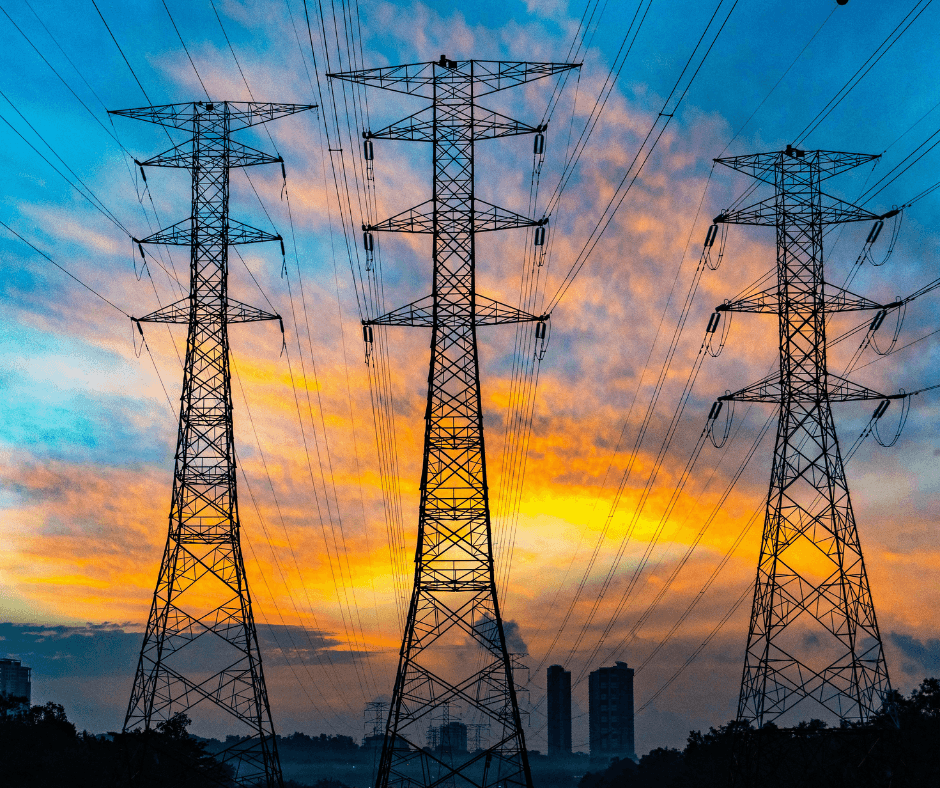
Des Moines, Iowa, is a thriving hub for businesses of all sizes — from downtown office towers and retail centers to warehouses, manufacturing facilities, and large data-intensive campuses. With rapid growth in commercial development and a diverse range of industries calling the metro home, electrical systems are critical to business continuity, safety, and cost efficiency. However, property owners and facility managers in Des Moines face a unique set of electrical challenges tied to regional climate conditions, evolving codes, the local utility grid, and aging infrastructure.
Understanding these challenges — and knowing how to address them — can save businesses from costly downtime, safety risks, and compliance headaches.
1. Seasonal Climate Stress on Electrical Systems
Central Iowa experiences a full range of severe weather throughout the year, and this places stress on commercial electrical infrastructure in ways that differ from many other regions.
Hot Summers and Cold Winters
Des Moines sees wide temperature swings from hot, humid summers to frigid winters. These extremes:
Increase load demands as HVAC systems work harder to cool and heat large buildings
Put thermal stress on electrical components, including wiring, panels, and transformers
Lead to expansion and contraction of metal components, potentially loosening connections over time
These factors increase the likelihood of breaker trips, voltage fluctuations, and premature wear on electrical equipment if systems aren’t appropriately designed and maintained.
Storm Exposure and Power Quality Issues
Severe thunderstorms, ice storms, and high winds are not uncommon in Iowa. Weather events can cause momentary faults, surges, and utility interruptions that impact sensitive electronic equipment, lighting, and mission-critical systems like data infrastructure or production lines. Storm-related service interruptions are frequent enough that commercial facilities in the metro often plan for surge protection and backup power solutions as part of their regular electrical strategy.
Even outside of severe events, local businesses report voltage fluctuations and intermittent outages tied to regional grid conditions and storm activity — something commercial electricians should anticipate when designing or upgrading systems.
2. Rapid Growth and New Load Demands
Des Moines’ commercial landscape is expanding. Large companies, including tech firms and data center developers, are investing heavily in the region because of affordable land, tax incentives, and excellent fiber connectivity. Recent industrial and data center projects require significant power capacity and redundancy, sometimes on a scale that smaller buildings never see.
These developments place increased demand on the local electrical infrastructure:
Large, high-density loads (like servers and industrial automation) require specialized electrical design and distribution
Three-phase power upgrades become necessary for many commercial tenants
Utility interconnection requirements can be more complex and require careful planning with MidAmerican Energy (the major regional utility) and local authorities
For electrical contractors, this means staying ahead of power demand forecasts and designing scalable systems that can grow with a business’s needs.
3. Code Compliance and Local Amendments
Des Moines follows the National Electrical Code (NEC) along with locally adopted building and energy codes, which can differ slightly from state minimums. In fact, the city has adopted updated energy codes with municipal amendments that affect lighting, control systems, and electrical distribution standards in commercial builds.
Contractors and facility managers must navigate:
Electric code adoption cycles (e.g., 2023 NEC adoption effective July 1, 2025 for some permits)
Municipal amendments to energy and building codes
Permit and inspection requirements unique to the city’s development departments
Failing to account for these requirements early in design or renovation planning can lead to permit delays, rework, and increased project costs. Commercial electrical professionals who keep up-to-date on local codes can differentiate their services by helping businesses avoid compliance pitfalls and pass inspections the first time.
4. Aging Infrastructure in Historic Buildings
Des Moines’ history includes many older commercial properties — whether historic downtown office buildings, warehouses in Sherman Hill, or legacy retail centers. These buildings often have:
Outdated wiring and panels
Insufficient circuit capacity for modern equipment
Older protective devices that don’t meet current safety standards
Outdated electrical systems create several risks for commercial tenants, including overloads, nuisance tripping, and potential fire hazards — especially when circuits are pushed beyond their intended use. Even when a facility appears operational, hidden issues like loose connections, degraded insulation, or improper grounding can lead to unexpected failures.
Part of an electrician’s role in the local market is conducting thorough electrical evaluations, load analyses, and modernization plans that preserve historic value while ensuring safety and reliability.
5. Fire Safety and Risk Mitigation
Electrical failures are a leading cause of building fires nationwide, and commercial properties in Des Moines are not immune. Common electrical fire risks include:
Overloaded circuits
Aging or damaged wiring
Defective panels or improper installations
Lack of modern protective devices (like AFCIs and GFCIs)
These hazards are magnified during peak seasons — for example, winter HVAC systems working overtime, holiday lighting loads, or production machinery running at full tilt. Identifying fire risks early, implementing preventive maintenance, and upgrading protection devices are essential steps toward mitigating danger.
6. Energy Codes, Efficiency Pressures, and Green Initiatives
Des Moines commercial buildings must comply with energy codes (like portions of the International Energy Conservation Code with local amendments) designed to reduce consumption and emissions.
At the same time, while wind power dominates Iowa’s generation mix and renewables are growing rapidly, rooftop solar and battery storage adoption among commercial properties is still emerging.
This creates opportunities — and challenges — such as:
Designing electrical systems that integrate EV charging stations
Supporting solar arrays and battery backups
Helping businesses meet corporate sustainability goals
Commercial contractors who understand how to plan for these technologies — and how to align them with local codes and utility interconnection requirements — have a competitive edge in the market.
7. Backup Power Planning and Business Continuity
Given the region’s weather variability and occasional grid interruptions, backup power systems — including generators and UPS units — are becoming essential for businesses that can’t afford downtime. Whether it’s a medical office, data center, warehouse, or retail location, a well-engineered backup plan not only protects operations but also preserves revenue and reputation.
When designing these systems in Des Moines, considerations include:
Adequate transfer switches and coordination with existing switchgear
Load prioritization for essential circuits
Placement and fuel logistics for generator sets
Emergency planning is not just about backup generators — it’s about reducing risk and designing systems that can switch seamlessly when utility service falters.
Conclusion: Turning Challenges into Competitive Advantage
Des Moines’ commercial electrical landscape comes with its own set of challenges — from harsh weather and aging buildings to code complexities and expanding electric loads. For business owners and property managers, partnering with knowledgeable electrical contractors who understand these regional nuances isn’t just smart… it’s essential.
By focusing on reliability, compliance, safety, and forward-thinking design, you can help local clients:
Avoid costly downtimes
Reduce fire risks and safety liabilities
Stay ahead of regulatory and efficiency requirements
Plan for growth and future technology adoption
If you’d like help turning these topics into actionable service offerings, marketing messages, or client education pieces, I can assist with that too.