
Dec 5, 2025
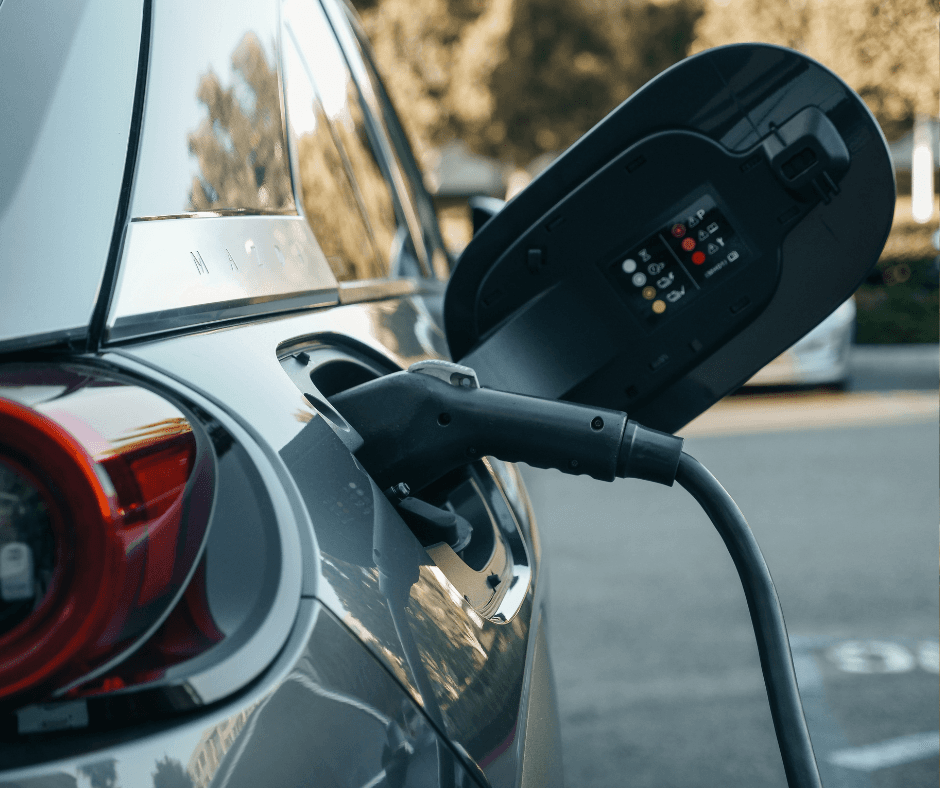
As electric vehicles (EVs) become more common, many homeowners are excited to install a home charging station—but if your house is more than 20 years old, you may be wondering: Can my home’s electrical system even handle an EV charger?
It’s a smart question. Older homes weren’t built with EVs in mind, and many have electrical infrastructure that’s undersized, outdated, or already overloaded. Before plugging in an EV charger and hoping for the best, homeowners should understand what it takes to safely and effectively power a modern electric vehicle.
This guide breaks down the electrical considerations, warning signs, upgrades, and steps homeowners should take when installing an EV charger in an older home.
Why EV Chargers Demand More From Your Electrical System
A Level 2 EV charger—the most common choice for home—typically requires:
A 240V dedicated circuit, and
Anywhere from 30–60 amps, depending on charging speed.
To put this in perspective:
A Level 2 charger can draw the same power as an electric range,
Or roughly 3–4 room A/C units running at once,
And it runs for hours at a time.
In a home with a newer 200A service panel, this is rarely a problem.
But in homes built before the early 2000s—especially those still running 100A service or aging wiring—this can push things to their limits.
Electrical Challenges Common in Older Homes
Homes that are 20, 30, or even 50 years old may have electrical systems that weren’t built for today’s energy demands.
Here are the most common issues electricians see:
1. Undersized Main Service Panels
Many older homes still operate with 100-amp electrical service, which is often insufficient once you add:
Central A/C
Electric dryer
Hot tub
Microwave
Smart appliances
And now… an EV charger
An at-capacity panel means there’s no safe way to add a new 240V circuit without overloading the system.
2. Limited Available Breaker Space
Even if your service amperage is adequate, older panels often lack:
Open breaker slots
Space for a 2-pole breaker
Modern breaker styles (some brands are obsolete)
In some cases, the panel itself is outdated or unsafe, including notorious panels from brands like:
Zinsco
Federal Pacific (FPE)
Pushmatic
These panels may not trip reliably and are often recommended for replacement—even aside from installing an EV charger.
3. Aging or Aluminum Wiring
Homes built in the 1960s–1970s sometimes used aluminum branch wiring, which:
Can loosen over time
Is more prone to overheating
Requires special CO/ALR-rated devices
This doesn’t automatically prevent EV charger installation, but it does require additional caution and skilled evaluation.
4. Weak or Insufficient Grounding
Safe EV charging requires a proper grounding system. Older homes may have:
Minimal ground rods
No bond to plumbing
Outdated bonding jumpers
Corroded lugs or connections
Poor grounding can lead to nuisance tripping or, worse, safety hazards.
5. Overloaded Existing Circuits
Older homes often have:
Fewer circuits
Too many outlets on a single breaker
Large appliances sharing circuits that should be dedicated
Installing an EV charger without correcting this can overwhelm the system.
Signs Your Older Home May Need Upgrades Before Installing an EV Charger
If you experience any of the following, your home’s electrical system might not be ready yet:
Breakers trip frequently
Lights flicker when appliances start
You use lots of power strips or extension cords
Your panel feels warm to the touch
You see corrosion or rust at the panel
You’ve never had an electrical upgrade since moving in
The home still uses a fuse panel (automatic red flag)
Even if everything “seems fine,” only a load calculation performed by a licensed electrician can determine if your home has enough available capacity.
Understanding Load Calculations for EV Chargers
A load calculation evaluates:
Your home’s electrical service size
All major appliances
Heating/cooling systems
Future expected loads (like an EV charger)
This allows an electrician to determine:
Whether your panel can support the charger
What size charger you can safely install
If service or panel upgrades are needed
This step is required by the National Electrical Code (NEC) and ensures your home stays safe and compliant.
Do Older Homes Always Need a Panel Upgrade?
Not always—but often.
Here’s a general rule of thumb:
Homes with 200A service:
Usually OK for most Level 2 chargers (40A–60A), depending on other household loads.
Homes with 150A service:
Often OK, but may need a load calculation or a “load management” device.
Homes with 100A service:
Frequently require:
A panel upgrade to 200A
Or installation of a smart load-sharing system
Homes with fuse boxes or obsolete panels:
Nearly always require upgrades before installing any EV charger.
Smart Alternatives When an Upgrade Isn’t Possible
For homeowners who want to avoid—or delay—a major electrical upgrade, there are still options:
1. Install a Lower-Amperage EV Charger
You don’t have to go full-speed.
A 16–24A charger:
Uses less power
Charges overnight just fine for most commuters
Often fits within a 100A service capacity
2. Use a Smart/Load-Sharing Charger
These devices automatically allocate power based on panel capacity and household usage.
They help prevent overloading and can sometimes avoid the need for a 200A upgrade.
3. Use Existing 240V Outlets
Sometimes a dryer or welder circuit can be repurposed or shared with a switch device—if sized correctly.
4. Level 1 Charging as a Temporary Solution
It’s not fast, but:
Uses a standard 120V outlet
Adds ~3–5 miles of range per hour
Works fine for short commutes or low-mileage drivers
This lets homeowners charge safely while planning future upgrades.
The Benefits of Upgrading Your Electrical System
Even if your home technically can support an EV charger, upgrading your electrical system can bring several benefits:
✓ Increased home value
Modern electrical panels are a selling point—especially for EV owners or buyers planning to become one.
✓ Improved safety and reliability
New panels reduce the risk of:
Overheating
Arcing
Breaker failure
Electrical fires
✓ Room for future upgrades
With EVs, heat pumps, induction ranges, and solar all on the rise, homeowners will need more electrical capacity—not less.
✓ Faster EV charging
Higher-amperage chargers dramatically reduce charging times.
The Process: What Homeowners Can Expect During an EV Charger Evaluation
When an electrician inspects your older home for an EV charger installation, they will:
Inspect the main panel
– Determine available amperage
– Check breaker space
– Assess panel age and brandEvaluate wiring and grounding
Check for code compliance issues
– Bonding
– GFCI requirements
– Proper conductor sizingPerform a full load calculation
Discuss charging options
– Charger size
– Location
– Installation method
– Any required upgradesProvide a clear estimate
– Including charger installation costs
– Optional panel upgrade pricing
This ensures homeowners understand all their options before moving forward.
So… Can Your Older Home Handle an EV Charger?
Yes—almost always.
But it may require an upgrade, a smart charging solution, or a careful evaluation to do it safely.
Homes 20+ years old often have:
Undersized electrical panels
Outdated wiring
Limited capacity
Questionable breakers or bonding
But with the right plan and a professional installation, older homes can absolutely charge EVs efficiently and safely.
Final Thoughts
An EV charger is one of the most valuable electrical upgrades you can make to your home—but older electrical systems often need adjustments before supporting one. The best first step is a professional electrical inspection and load calculation to determine what your home can safely handle.
Whether you need:
A simple dedicated circuit
A lower-amperage charger
A smart load management device
Or a full service upgrade
A licensed electrician can guide you through the safest, most cost-effective path.