
Jun 12, 2026
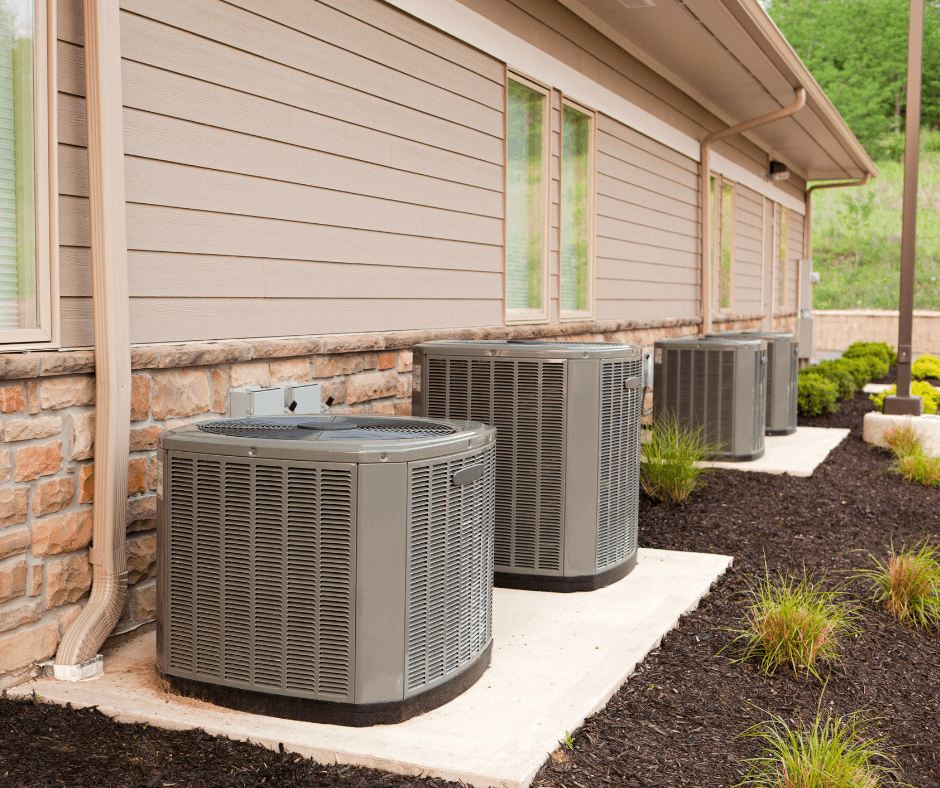
As temperatures rise during Iowa summers, many homeowners begin thinking about ways to stay cool and comfortable. For some, that means replacing an aging air conditioner. For others, it means installing central air conditioning for the first time.
While most people focus on the HVAC equipment itself, there is another critical factor that often gets overlooked: Can your home's electrical system handle central air conditioning?
Central air conditioners require a significant amount of electrical power to operate safely and efficiently. If your electrical system isn't properly equipped, installing a new AC unit can lead to tripped breakers, overloaded circuits, reduced equipment performance, and even potential safety hazards.
Before investing in a new cooling system, it's important to understand how central air conditioning affects your home's electrical system and what upgrades may be necessary.
How Much Electricity Does Central Air Conditioning Use?
Central air conditioning is one of the largest electrical loads in most homes.
Unlike smaller appliances that cycle on briefly throughout the day, an air conditioner may run for hours at a time during the hottest parts of the summer. The larger the home and the more powerful the system, the greater the electrical demand.
A typical central air conditioning system includes:
An outdoor condenser unit
An indoor air handler or furnace blower
Thermostat controls
Electrical disconnects and wiring
Together, these components require a dedicated electrical circuit and sufficient electrical capacity from the home's service panel.
While exact power requirements vary by manufacturer and unit size, central air conditioning systems commonly require:
20- to 60-amp dedicated circuits
240-volt electrical service
Properly sized wiring and breakers
That's a substantial amount of power compared to many household appliances.
Why Older Homes Can Struggle with New Air Conditioning Systems
Many homes throughout Iowa were built long before modern electrical demands became common.
Decades ago, homes often operated with:
Smaller electrical panels
Fewer circuits
Lower overall electrical consumption
At that time, homeowners weren't charging electric vehicles, installing hot tubs, running multiple refrigerators, or powering large entertainment systems.
Adding central air conditioning to an older electrical system can push it beyond its intended capacity.
Common warning signs include:
A 60-amp or 100-amp electrical service
Fuse boxes instead of circuit breakers
Frequently tripped breakers
Panels with little or no available space
Existing electrical issues throughout the home
If your home was built several decades ago and has never had a service upgrade, an electrical evaluation is strongly recommended before installing central air.
The Importance of a Dedicated Circuit
Central air conditioners should never share circuits with general household outlets, lighting, or other appliances.
Instead, they require a dedicated circuit designed specifically for the equipment's electrical needs.
A dedicated circuit helps ensure:
Safe operation
Reliable startup performance
Reduced risk of overloaded wiring
Compliance with electrical codes
Protection of expensive HVAC equipment
If a contractor discovers there is no available space in the panel for a new dedicated breaker, additional electrical work may be necessary before installation can proceed.
Is Your Electrical Panel Large Enough?
One of the most important factors in determining whether your electrical system can support central air conditioning is the size of your electrical service.
Many older homes still operate with:
60-amp service
100-amp service
While these systems may have been adequate years ago, modern households often require significantly more capacity.
Today's homes commonly include:
Central air conditioning
Electric dryers
Microwaves
Home offices
EV chargers
Hot tubs
Additional kitchen appliances
Smart home technology
When these loads are combined, an older electrical panel can quickly become overloaded.
Many newer homes are equipped with:
200-amp service
320-amp service
400-amp service for larger properties
An electrical load calculation can help determine whether your existing panel has sufficient capacity for a new air conditioning system.
What Is an Electrical Load Calculation?
An electrical load calculation is a process electricians use to determine how much electricity a home requires.
During this evaluation, factors such as the following are considered:
Square footage
Existing appliances
Heating equipment
Water heaters
Kitchen loads
Laundry equipment
Future electrical needs
The goal is to determine whether the home's electrical service can safely support both current and future demands.
This calculation often reveals whether:
Existing service is adequate
A panel upgrade is recommended
Additional circuits are needed
Future expansion should be considered
Many homeowners are surprised to discover their electrical system is already near capacity before adding central air conditioning.
Common Signs Your Electrical System May Need an Upgrade
If you're considering central air conditioning, watch for these warning signs.
Frequent Breaker Trips
Breakers that trip regularly may indicate an overloaded electrical system.
Adding a large new load like an air conditioner could make the problem worse.
Flickering Lights
Lights that dim when appliances start up may signal electrical capacity issues.
This is especially concerning if multiple areas of the home are affected.
A Full Electrical Panel
Many older panels have no available breaker spaces.
If there is nowhere to install a dedicated air conditioner breaker, upgrades may be required.
Use of Multiple Extension Cords
Heavy reliance on extension cords often indicates insufficient circuits throughout the home.
Outdated Electrical Equipment
Older fuse boxes and aging panels may not be well-suited for modern cooling equipment.
What Happens If the Electrical System Is Too Small?
Installing central air conditioning without addressing electrical limitations can create several problems.
Potential issues include:
Nuisance Breaker Trips
The AC unit may repeatedly trip breakers during startup or operation.
Reduced Equipment Life
Electrical issues can place unnecessary strain on motors and compressors.
Poor Cooling Performance
Inadequate electrical supply may affect system efficiency.
Safety Hazards
Overloaded circuits increase the risk of overheating and electrical fires.
Future Limitations
Even if the system operates initially, future additions such as EV chargers or home expansions may become difficult without further upgrades.
Addressing electrical concerns before installation is usually far less expensive than dealing with problems afterward.
Panel Upgrades: A Long-Term Investment
If your electrician recommends a panel upgrade, it may seem like an unexpected expense.
However, many homeowners find that upgrading their electrical service provides several benefits beyond supporting air conditioning.
Advantages can include:
Increased electrical capacity
Improved safety
Better support for future projects
Enhanced home value
Reduced risk of overloaded circuits
Easier addition of future appliances
Many homeowners who install central air eventually add other high-demand equipment as well. A properly sized panel helps ensure the home is ready for future needs.
Don't Forget About Other Summer Electrical Demands
Air conditioning isn't the only thing increasing electrical usage during summer.
Many households also use:
Pool equipment
Outdoor lighting
Irrigation systems
Refrigerators in garages
Freezers
Power tools
Electric grills and outdoor kitchens
These additional loads can further stress an already crowded electrical system.
When evaluating electrical capacity, it's important to consider the complete picture rather than focusing solely on the air conditioner.
Planning for Future Upgrades
If you're already investing in electrical work for central air conditioning, it may be wise to think ahead.
Future additions might include:
Electric vehicle chargers
Hot tubs
Finished basements
Home additions
Workshops
Backup generators
Battery storage systems
A little planning today can help avoid costly upgrades later.
Many electricians recommend sizing electrical improvements with future growth in mind whenever possible.
Final Thoughts
Central air conditioning can dramatically improve comfort during Iowa's hot and humid summers, but it's important to make sure your electrical system is prepared for the added demand.
Older homes, undersized electrical panels, crowded breaker boxes, and outdated wiring can all create challenges when installing a new cooling system. Before moving forward with an HVAC installation, having a licensed electrician evaluate your home's electrical capacity can help identify potential issues and ensure everything operates safely and efficiently.
If your home needs a panel upgrade, additional circuits, or other electrical improvements, addressing those items before the air conditioner is installed can save time, money, and frustration down the road.
A comfortable home starts with a reliable electrical system—and making sure your electrical infrastructure is ready for central air conditioning is one of the smartest investments a homeowner can make.