
Apr 10, 2026
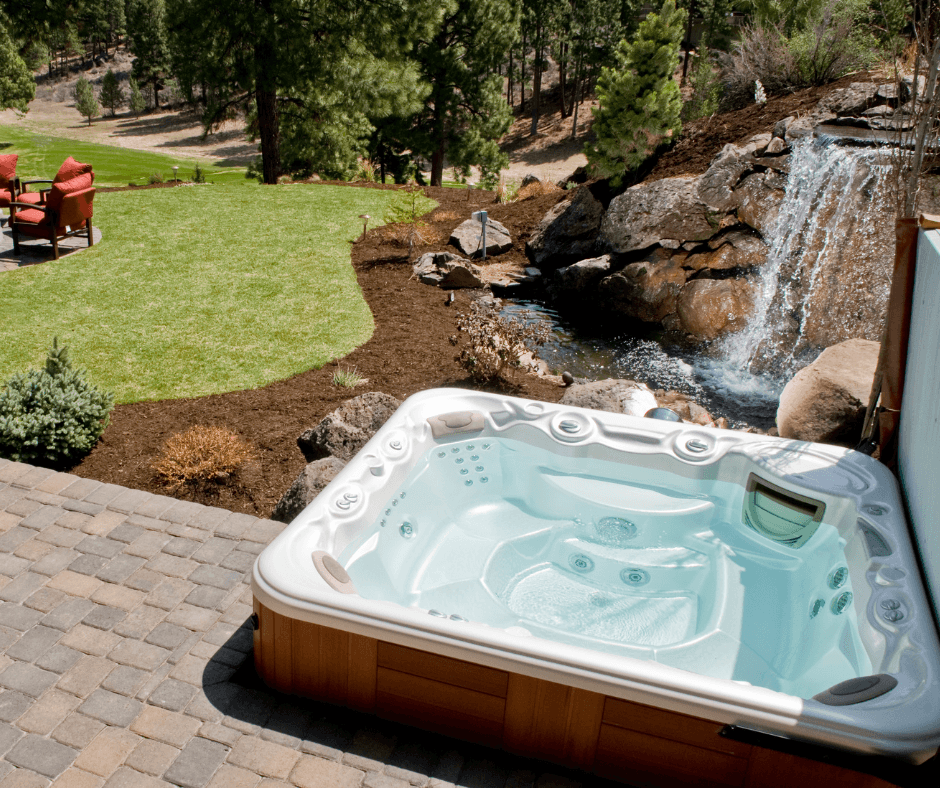
There’s nothing quite like stepping into a hot tub at the end of a long day—especially here in Iowa, where chilly evenings make that warm, bubbling water even more inviting. But before you can relax and enjoy it, there’s one critical piece of the puzzle that homeowners often underestimate: the electrical work required to safely power your hot tub.
Hot tubs aren’t plug-and-play appliances (at least not most of them). They require dedicated circuits, proper grounding, and strict adherence to electrical codes. If you skip steps or cut corners, you’re not just risking damage to your spa—you’re risking serious safety hazards.
Let’s break down exactly what electrical work is involved when adding a hot tub, so you know what to expect and how to do it right.
⚡ Why Hot Tub Electrical Isn’t a DIY Job
Hot tubs combine two things that don’t mix well without proper precautions: electricity and water. That’s why electrical requirements are strict and regulated by the National Electrical Code (NEC).
Improper installation can lead to:
Electric shock hazards
Equipment damage
Voided warranties
Failed inspections (if permits are required)
Increased fire risk
Even if you’re handy, this is one area where hiring a licensed electrician is strongly recommended—and often required.
🔌 120V vs. 240V Hot Tubs: Know What You’re Installing
Before diving into the wiring, you need to understand what type of hot tub you’re getting.
120-Volt (Plug-and-Play)
Plugs into a standard outlet
Lower power output
Slower heating and limited jet performance
Typically used for smaller or portable units
Electrical needs:
Dedicated GFCI outlet (usually required)
Minimal wiring upgrades (in some cases)
👉 These are simpler, but still may require electrical modifications depending on your setup.
240-Volt (Most Common)
Hardwired directly into your electrical system
More powerful jets and faster heating
Standard for most permanent installations
Electrical needs:
Dedicated 240V circuit
GFCI breaker
Proper disconnect
Professional installation
👉 This is where most homeowners will need significant electrical work.
🧰 Dedicated Circuit: Non-Negotiable
Hot tubs must be on their own dedicated circuit, meaning nothing else shares that power line.
Why this matters:
Prevents overloads
Ensures consistent performance
Meets code requirements
Typical requirements:
40-amp, 50-amp, or 60-amp breaker (depends on model)
Correct wire size (commonly #6 or #8 copper)
👉 Your electrician will match the circuit size to your specific hot tub’s specifications.
⚠️ GFCI Protection: Your First Line of Safety
A Ground Fault Circuit Interrupter (GFCI) is required for all hot tubs. This device shuts off power instantly if it detects even a small electrical imbalance—potentially saving lives.
For hot tubs, GFCI protection is usually:
Installed in the breaker panel or
Built into a spa disconnect panel
Without GFCI protection, your setup is not safe and not code-compliant.
📍 Spa Disconnect: Required and Strategically Placed
Most 240V hot tubs require a disconnect switch, often called a spa panel.
Code requirements typically include:
Must be within line of sight of the hot tub
Must be at least 5 feet away (to prevent reaching it from inside the tub)
Must be easily accessible
This allows you (or a technician) to quickly shut off power in an emergency or during maintenance.
🧱 Wiring Run: From Panel to Hot Tub
This is where the real work happens.
Your electrician will:
Run wiring from your main electrical panel to the disconnect
Run wiring from the disconnect to the hot tub
Protect wiring in conduit (especially outdoors)
Common considerations:
Distance from panel to hot tub
Whether trenching is required (for backyard installs)
Type of conduit (PVC, rigid, etc.)
Burial depth (if underground)
👉 In Iowa, where frost and soil conditions matter, proper burial depth and conduit protection are especially important.
🏠 Can Your Electrical Panel Handle It?
This is a big one—and often overlooked.
Adding a hot tub increases your home’s electrical demand significantly. If your panel is already near capacity, you may need:
A panel upgrade (e.g., from 100 amp to 200 amp service)
Additional breaker space
Load calculations to ensure safety
Warning signs your panel may need an upgrade:
Breakers already maxed out
Lights dimming when appliances run
Older home with original electrical system
👉 This is one of the first things an electrician will evaluate during a quote.
🌧️ Outdoor & Weather Considerations
Hot tubs are usually installed outdoors, which adds complexity.
Electrical components must be:
Weather-resistant
Properly sealed
Rated for outdoor use
Other factors:
Snow and ice exposure
Water drainage around equipment
Protection from physical damage
👉 Cutting corners here can lead to corrosion, shorts, or system failure.
🏗️ Permits and Inspections
In many areas (including much of Iowa), hot tub installations require:
Electrical permits
Inspections by local authorities
This ensures:
Code compliance
Safe installation
Proper documentation for insurance/resale
Skipping permits can lead to fines—or issues when selling your home.
💰 How Much Does Hot Tub Electrical Installation Cost?
Costs can vary widely depending on your setup, but here’s a general breakdown:
Typical range:
$800 – $2,500+
Factors that affect cost:
Distance from panel to hot tub
Trenching or concrete work
Panel upgrades (if needed)
Circuit size and wiring materials
Complexity of installation
👉 If a panel upgrade is required, total costs can climb significantly (often $2,000–$5,000+ for that portion alone).
🚫 Common Mistakes Homeowners Make
Avoid these pitfalls:
1. Assuming It’s Plug-and-Play
Most hot tubs are not. Even “plug-and-play” units often need dedicated outlets.
2. Skipping the Disconnect
This is a code requirement—not optional.
3. Using Existing Circuits
Hot tubs need their own circuit—sharing power is unsafe.
4. DIY Wiring
Even small mistakes can have serious consequences.
5. Ignoring Panel Capacity
Overloading your system can cause ongoing issues.
✅ What to Expect When You Hire an Electrician
A professional installation typically includes:
Site evaluation
Load calculation
Permit handling (if required)
Installation of circuit, wiring, and disconnect
Final testing and inspection
You’ll also get peace of mind knowing everything is done safely and up to code.
🛁 Final Thoughts: Do It Right, Then Relax
Adding a hot tub is an investment in comfort, relaxation, and even property value—but only if it’s installed correctly.
The electrical work behind the scenes is what makes it all function safely. From dedicated circuits to GFCI protection and proper panel capacity, every detail matters.
If you’re planning to install a hot tub, the best first step isn’t buying the tub—it’s talking to a qualified electrician who can evaluate your setup and guide you through the process.
That way, when the work is done, all that’s left for you to do… is sit back, relax, and enjoy the bubbles.