
Apr 17, 2026
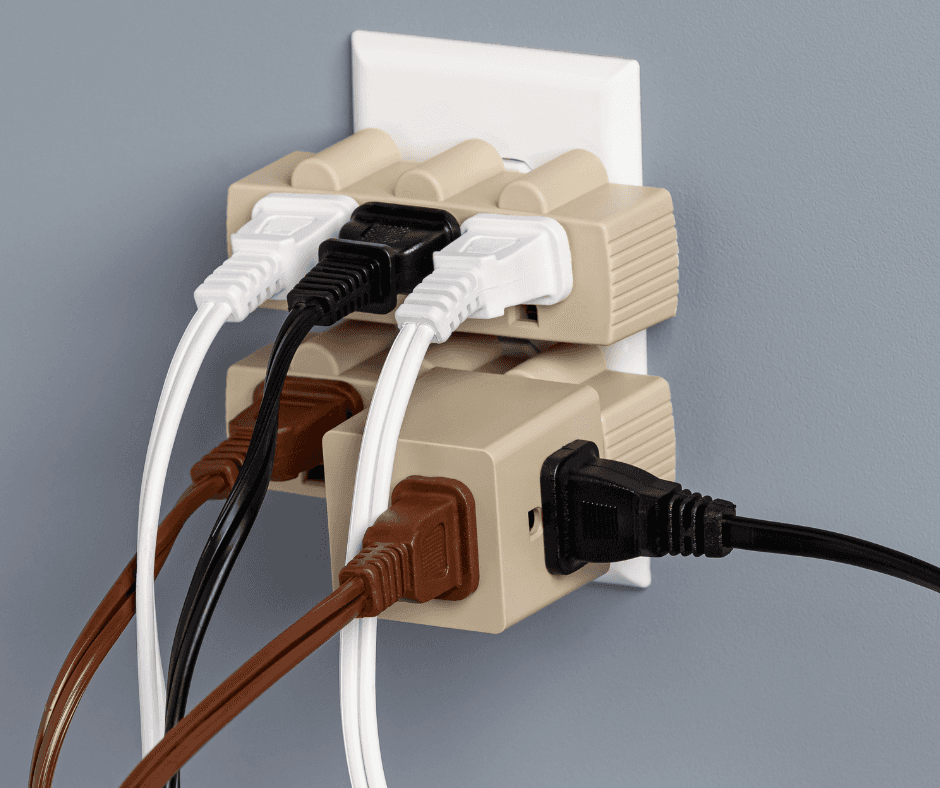
When people think about house fires, they often picture dramatic events—lightning strikes, kitchen accidents, or something obvious. But the reality is much quieter—and more dangerous. Many electrical fires start from issues hidden behind walls, inside panels, or in everyday habits homeowners don’t think twice about.
If you live in older neighborhoods around Des Moines or growing communities like Grimes, Urbandale, or West Des Moines, your electrical system may already be under more stress than it was designed for.
Let’s break down 7 hidden electrical fire hazards that could be lurking in your home—and what you should do about them.
1. Overloaded Circuits (The Silent Overheating Problem)
Modern homes demand far more electricity than homes built even 20–30 years ago. Between home offices, large TVs, gaming systems, and kitchen appliances, circuits are often pushed beyond their limits.
Why it’s dangerous:
When a circuit is overloaded, wires heat up. If that heat builds up over time, it can degrade insulation and eventually ignite nearby materials.
Warning signs:
Breakers that trip frequently
Lights dimming when appliances turn on
Warm outlets or switches
What to do:
If you’re constantly resetting breakers, your system isn’t “annoying”—it’s warning you. A licensed electrician can redistribute loads or add circuits to prevent overheating.
2. Outdated Wiring (Especially in Older Homes)
Homes built before the 1980s may still have outdated wiring systems like aluminum wiring or aging insulation.
Why it’s dangerous:
Old wiring can become brittle, corroded, or loose—all of which increase the chance of arcing (sparks behind your walls).
Warning signs:
Flickering lights
Burning smell with no obvious source
Discolored outlets
What to do:
An inspection is key. In some cases, partial rewiring is enough. In others, a full upgrade may be the safest long-term solution.
3. Loose Connections (Where Fires Often Start)
Electricity should flow smoothly through tight, secure connections. When connections loosen over time, electricity can “jump” gaps—this is called arcing.
Why it’s dangerous:
Arcing generates intense heat—hot enough to ignite wood framing or insulation.
Where it happens:
Inside outlets and switches
In junction boxes
Within your electrical panel
Warning signs:
Crackling sounds
Intermittent power issues
Burning or smoky odors
What to do:
This is not a DIY fix. Loose connections require professional diagnosis and repair to ensure everything is safely secured.
4. Extension Cord Misuse (More Dangerous Than You Think)
Extension cords are meant to be temporary solutions—but many homeowners use them permanently.
Why it’s dangerous:
Extension cords aren’t designed to handle continuous high loads. Over time, they can overheat, especially when:
Run under rugs
Pinched behind furniture
Used with high-wattage appliances
Common risky uses:
Space heaters
Window AC units
Refrigerators in garages
What to do:
If you’re relying on extension cords regularly, it’s time to install additional outlets. It’s safer—and more convenient.
5. Outdated or Undersized Electrical Panels
Your electrical panel is the heart of your system. If it’s outdated or maxed out, everything connected to it is at risk.
Why it’s dangerous:
Older panels may not trip properly during overloads. That means wires can overheat without protection.
Warning signs:
No available breaker space
Frequent tripping
Use of tandem breakers to “make space”
Panel older than 25–30 years
What to do:
A panel upgrade can dramatically improve safety and capacity—especially if you’re adding things like hot tubs, EV chargers, or finishing a basement.
6. DIY Electrical Work (TikTok Doesn’t Show the Risks)
DIY projects can be tempting, especially with so many online tutorials. But electrical work is one area where mistakes can have serious consequences.
Why it’s dangerous:
Improper wire sizing, loose connections, or incorrect grounding can all lead to overheating or arcing.
Common DIY issues electricians find:
Wires connected without proper junction boxes
Incorrect breaker sizes
Reversed polarity in outlets
What to do:
If you’ve done DIY electrical work in the past—or recently bought a home—it’s worth having it checked. Fixing small mistakes now can prevent major hazards later.
7. Lack of GFCI and AFCI Protection
Modern electrical codes require safety devices that many older homes simply don’t have.
GFCI (Ground Fault Circuit Interrupter): Protects against shock in wet areas
AFCI (Arc Fault Circuit Interrupter): Detects dangerous arcing that can cause fires
Why it’s dangerous:
Without these protections, your system may not detect dangerous conditions until it’s too late.
Where they should be:
Kitchens
Bathrooms
Garages
Bedrooms (AFCI protection)
What to do:
Upgrading to modern protection devices is one of the most effective ways to reduce fire risk in your home.
Why These Hazards Are So Common in Iowa Homes
Homes throughout Central Iowa—from Clive to Adel—often fall into one of two categories:
Older homes with aging infrastructure
Newer homes with increasing electrical demand
In both cases, systems can become stressed or outdated faster than homeowners realize.
Add in seasonal factors like:
Heavy HVAC use in summer
Space heaters in winter
Storm-related power surges
…and the risk increases even more.
When Should You Call an Electrician?
If you notice any of the following, don’t wait:
Burning smells
Warm outlets or panels
Frequent breaker trips
Flickering or dimming lights
Buzzing sounds from electrical components
These are early warning signs—not inconveniences.
Final Thoughts: Small Issues Turn Into Big Problems
Electrical fires rarely start from a single dramatic failure. More often, they’re the result of small issues building up over time—loose connections, overloaded circuits, or outdated equipment.
The good news? These problems are preventable.
A simple inspection or upgrade today can protect your home, your family, and your investment for years to come.
Need Peace of Mind?
If you’re unsure about the condition of your electrical system, having it professionally inspected is one of the smartest moves you can make. Whether your home is brand new or decades old, hidden hazards can exist where you’d never think to look.
And when it comes to electricity, it’s always better to catch problems early—before they turn into something far more serious.